
SCALPS® · The informed introduction
What is scalp
micropigmentation?
Scalp micropigmentation (SMP) is a cosmetic tattoo technique that places tiny pigment impressions in the scalp to create the appearance of shaved follicles or reduce visible thinning between existing hairs. It does not grow hair.
Understand the sessions, examine healed work and compare the options before deciding whether a hair tattoo is right for you.
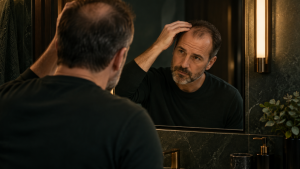
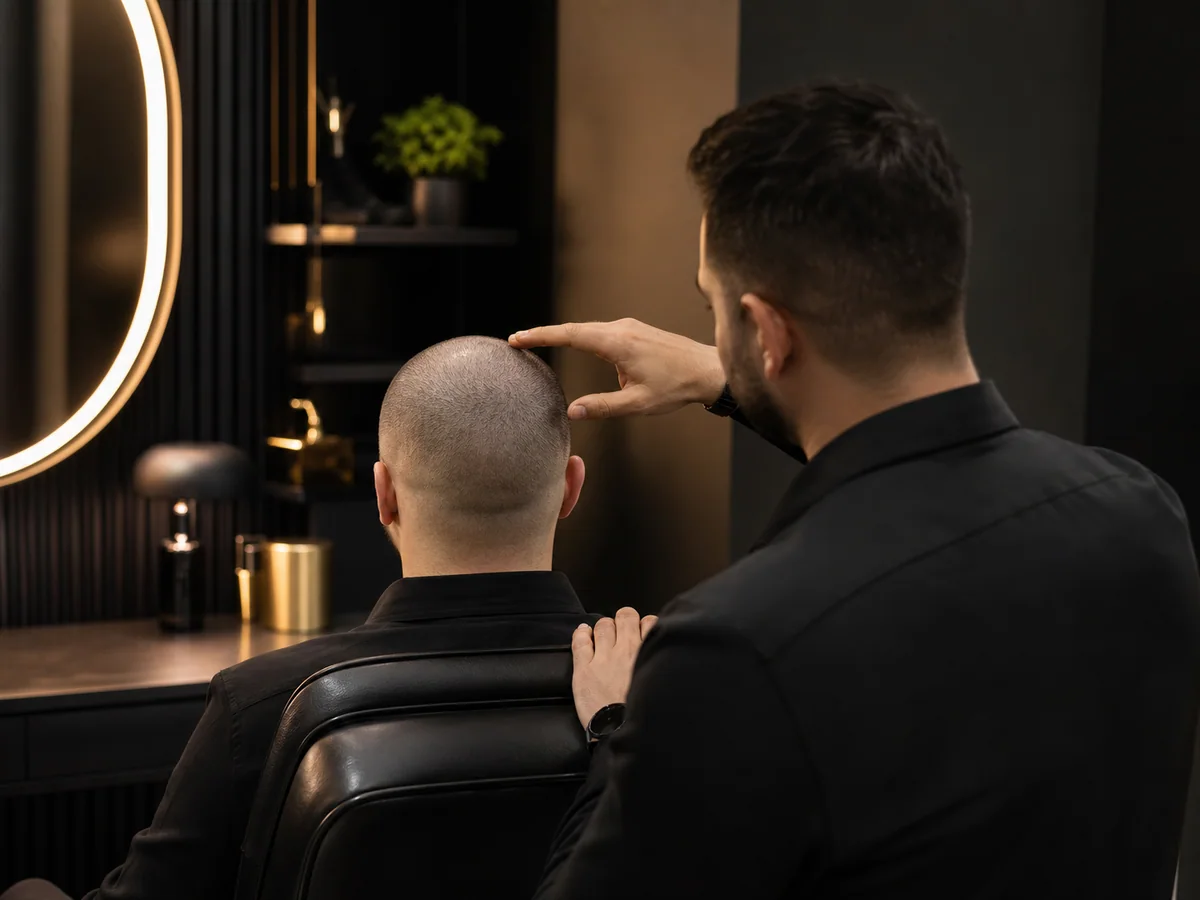
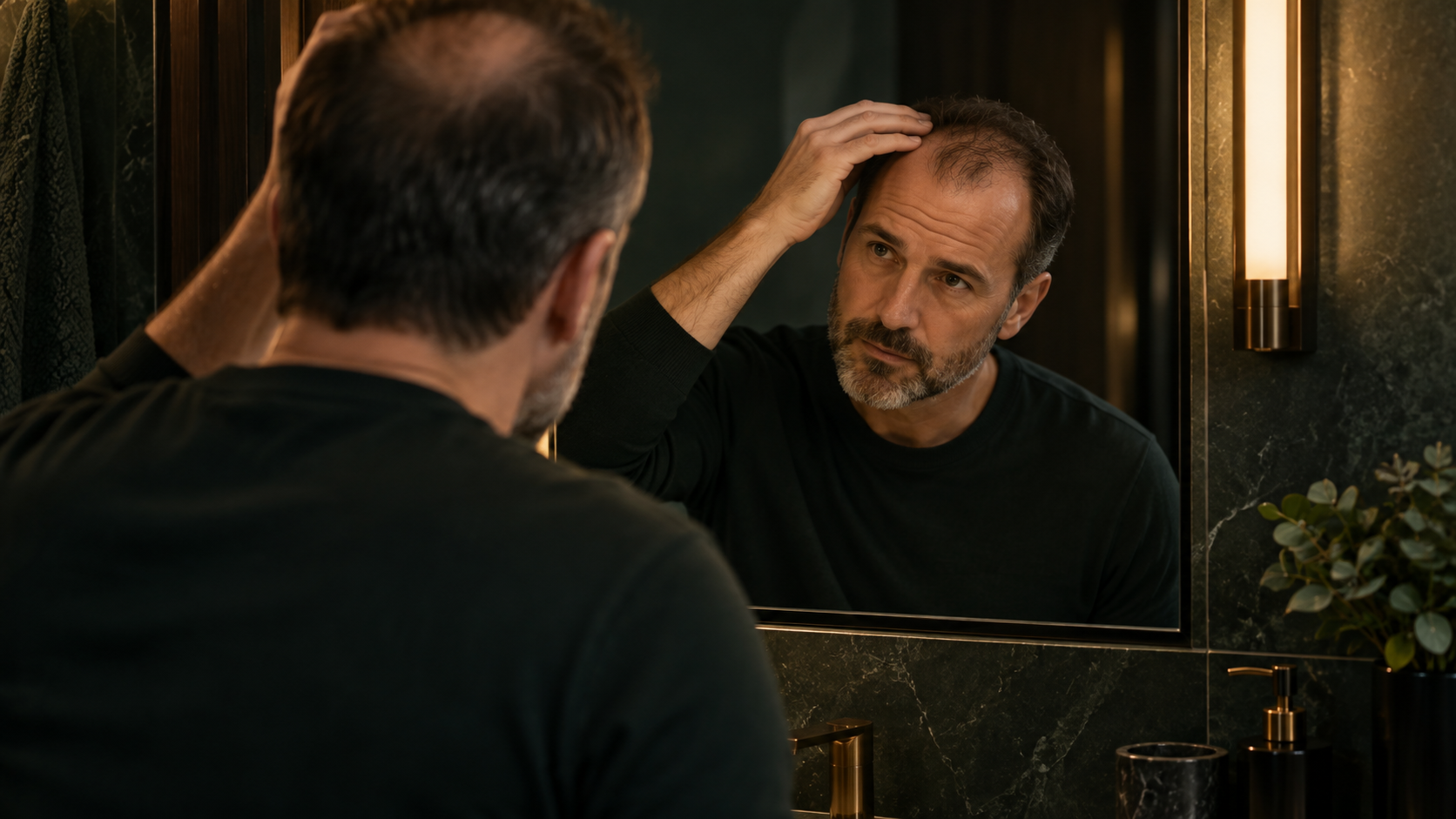
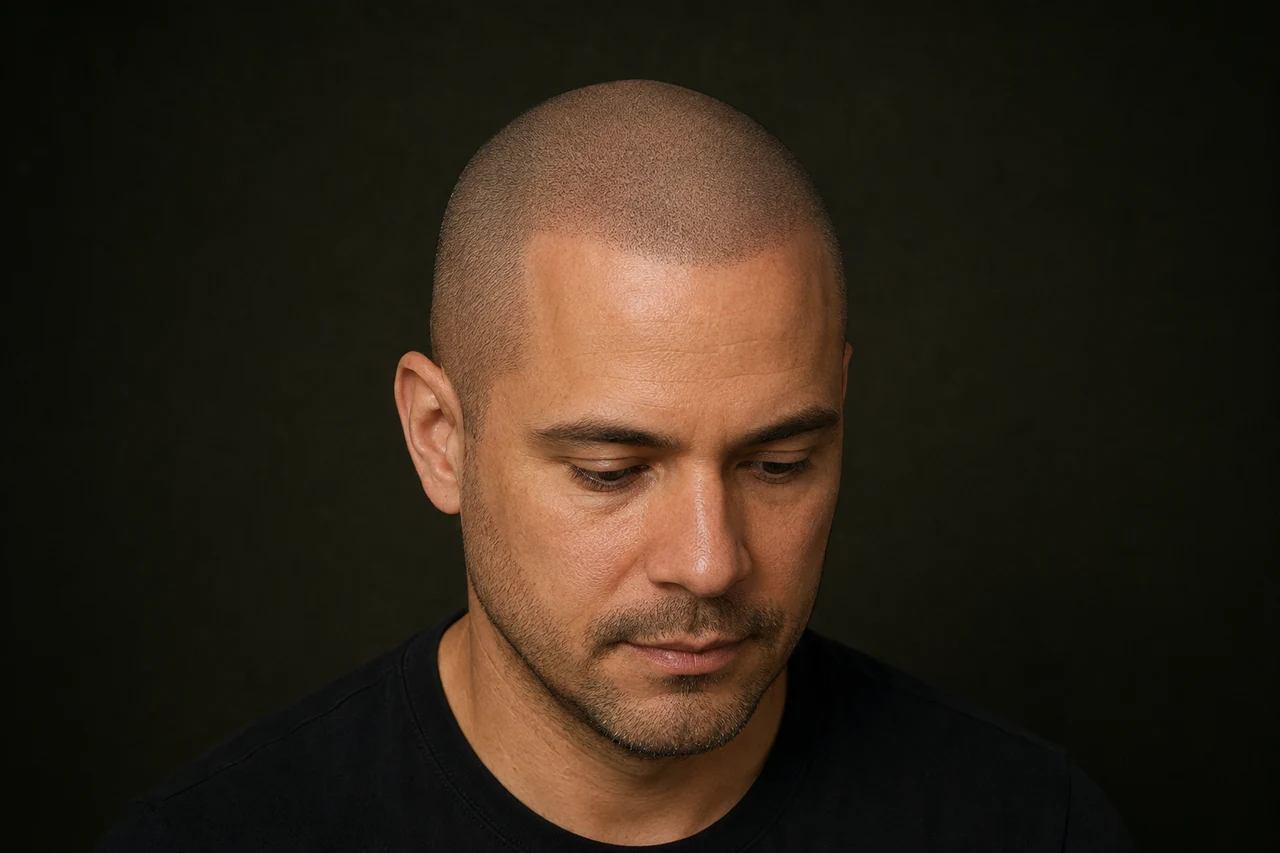
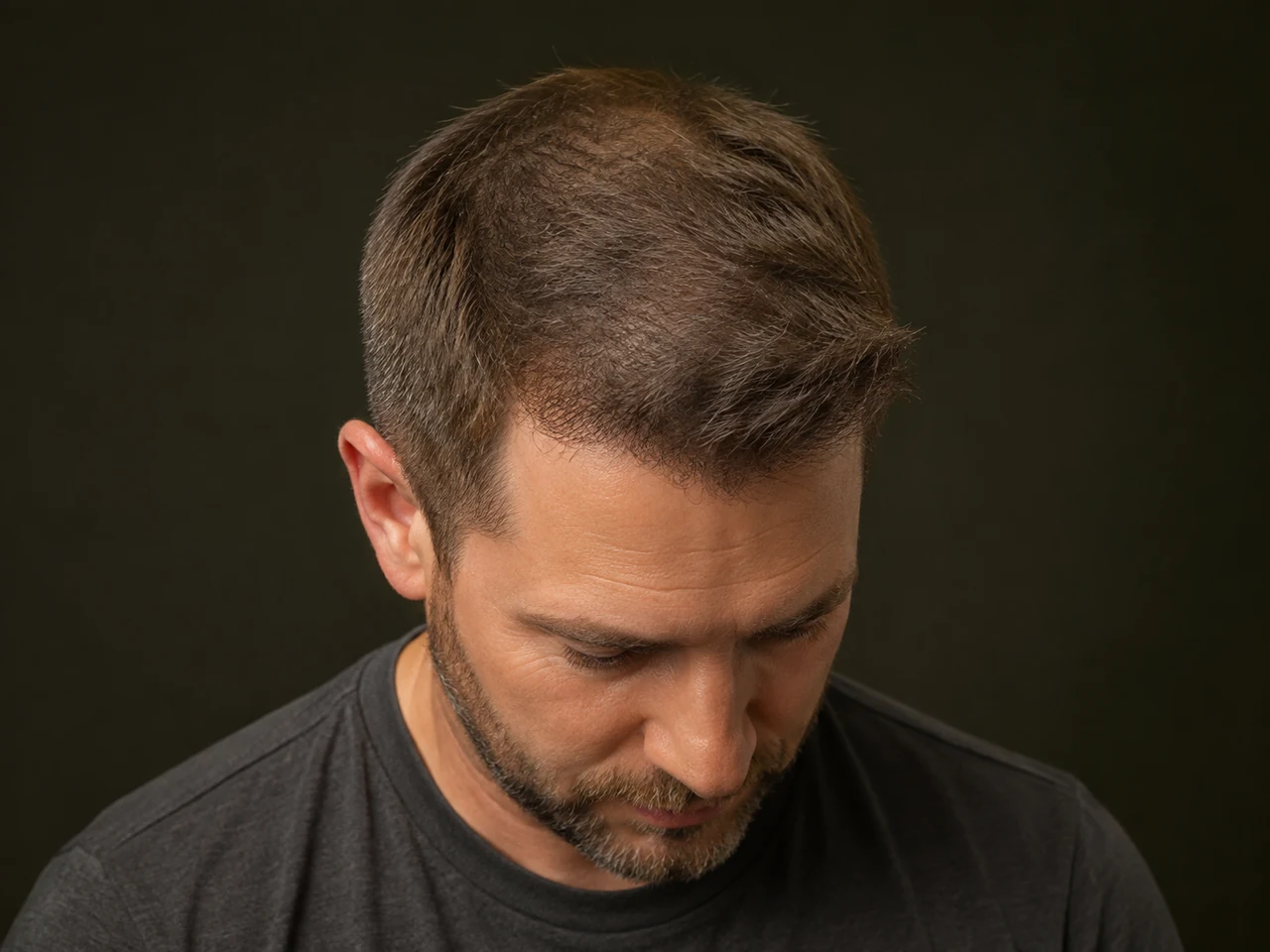
AI-generated conceptual portrait · not a client result
01 / Understand the difference
What is scalp
micropigmentation?
Pigment creates the impression.
It does not create new hair.
Scalp micropigmentation is a cosmetic tattoo technique. Small pigment impressions are placed in the scalp to resemble the pattern of closely shaved follicles or make visible scalp contrast less noticeable between existing hairs.
“Hair tattoo” and “scalp tattoo” describe the same basic idea. The purpose is not a decorative design like the question mark above. It is a carefully planned visual effect: subtle impressions, considered spacing and a hairline that belongs with the rest of your hair.
SMP does not regrow follicles, add physical hair volume or treat the underlying cause of hair loss. That distinction matters when comparing it with medication, hair transplantation or a hair system. Clinical background on the SMP technique
See the idea, impression by impression
A light foundation.
A considered buildup.
Explore three illustrative stages on the same scalp. Notice the space between impressions—not new hair growing.
An example of the approach.
Not a fixed treatment schedule.
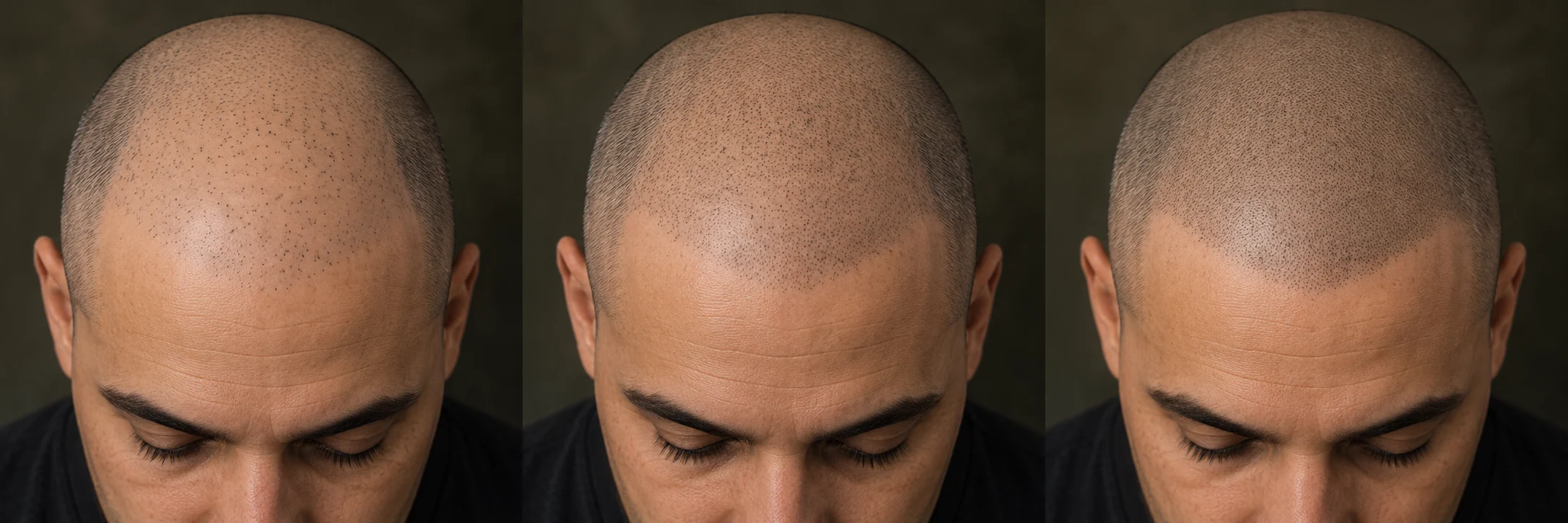
Start with room to build.
A light first layer suggests the planned area and pattern. This teaching example is intentionally sparse so you can see the individual impressions.
Build. Then reassess.
After earlier work has settled, more impressions can build coverage. How the skin holds pigment helps guide what is added next.
More balanced. Not just darker.
The next pass can refine density and blending. The aim is a believable relationship with existing hair—not simply adding as much pigment as possible.
AI-generated educational illustration—not a real client, documented treatment sequence or predicted result. Actual first-session appearance, session number, timing and density depend on the individual plan and assessment of healed work. Three sessions are shown to explain the concept, not to prescribe a course.
What makes SMP
look natural?
Density is only one part of the effect. Look at the hairline shape, the softness of its edge, the size and spacing of impressions, and the transition into existing hair. A darker scalp is not automatically a better result.
For a shaved look, the pigment needs to make sense beside the length and appearance of your remaining hair. For density work, it needs to sit convincingly between the hairs you already have. Ask to see healed work with a starting point like yours, including closer views—not just one flattering photograph.
Will I need to keep shaving my head?
For a shaved-look treatment over exposed scalp, keeping the remaining hair very short helps the real hair and pigment read as one look. Pigment does not grow alongside it. Density SMP is different: it can be placed between suitable existing hairs without giving up your longer hairstyle. Discuss the length you actually want to maintain before choosing the approach, and follow your aftercare instructions before resuming shaving.
Can people tell you have SMP?
There is no honest promise that SMP will be undetectable in every light or at every distance. A harsh outline, overly dark coverage or a poor match with surrounding hair can draw attention. Ask to examine healed results from several angles and lighting conditions, with closer views of the hairline. Choose a result that makes sense in ordinary life, not only in a carefully lit photograph.
Benefits of choosing
scalp micropigmentation.
A more intentional shaved look.
Hairline design can change the visual frame of your face without adding hair length. Explore hairline tattoo design and the appearance you would want to maintain.
Less visible contrast.
For suitable starting points, pigment can make thinning or certain scalp scars less visually prominent. It does not remove scar texture or replace missing hair.
A different kind of treatment plan.
SMP is nonsurgical, but it still requires healing and care. Compare the complete plan and upkeep—not only a first-session number. Our SMP cost guide separates per-session rates from treatment totals.
From illustration to actual work
The illustration explains it.
The healed work lets you judge it.
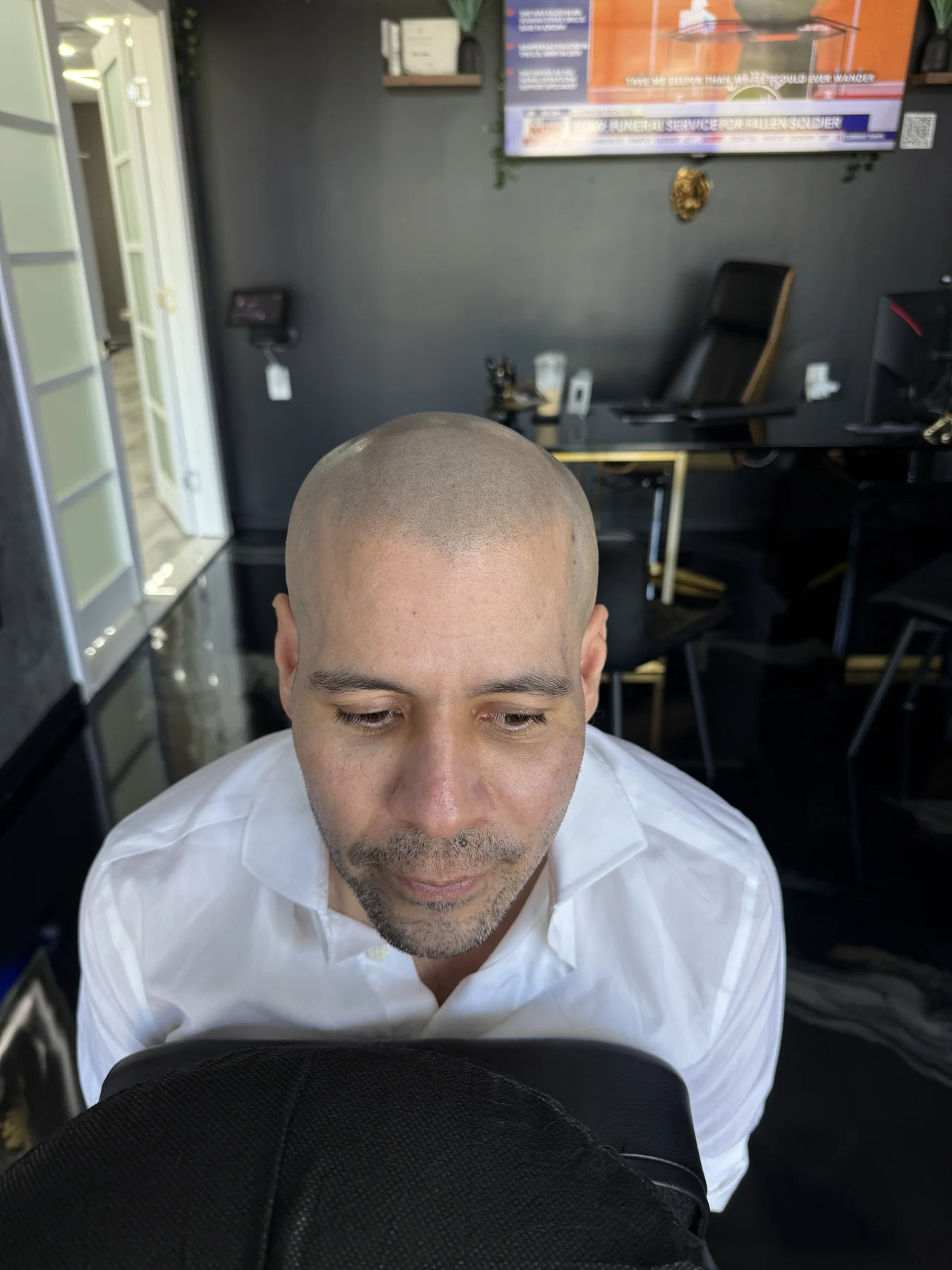
This is Rafael, a real SCALPS client, photographed 60 days after his final session. It is separate from the generated three-stage example above.
Look at the leading edge, the spaces between impressions and how the treated area meets the remaining hair. His full case includes the untreated starting point, treatment stages and additional healed angles.
One person’s result, not a promise of yours. Different starting points require individual assessment.
02 / Begin with your starting point
Who is a good candidate
for scalp micropigmentation?
The useful question is not simply “Can I get SMP?” It is “Which approach could look believable with the hair and hairstyle I have?”
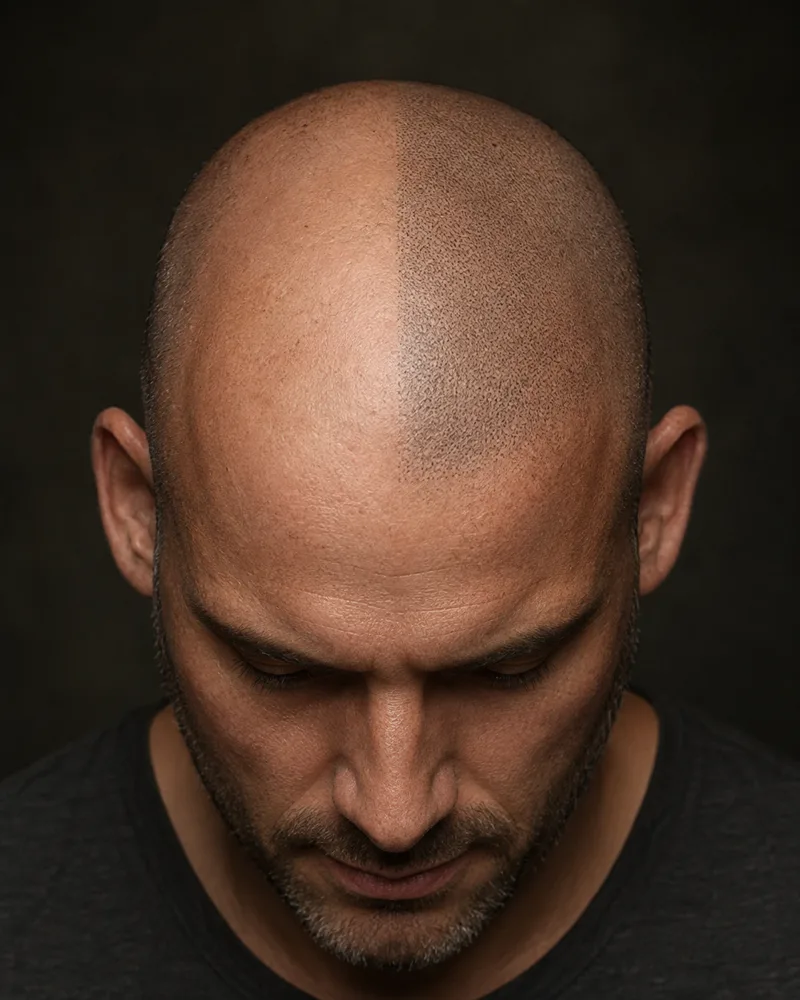
Hairline + closely shaved
A receding hairline.
A bald scalp.
A shaved-look plan may suit someone comfortable keeping their remaining hair very short. The shape and transition into existing hair matter as much as the treatment area.
Explore SMP for men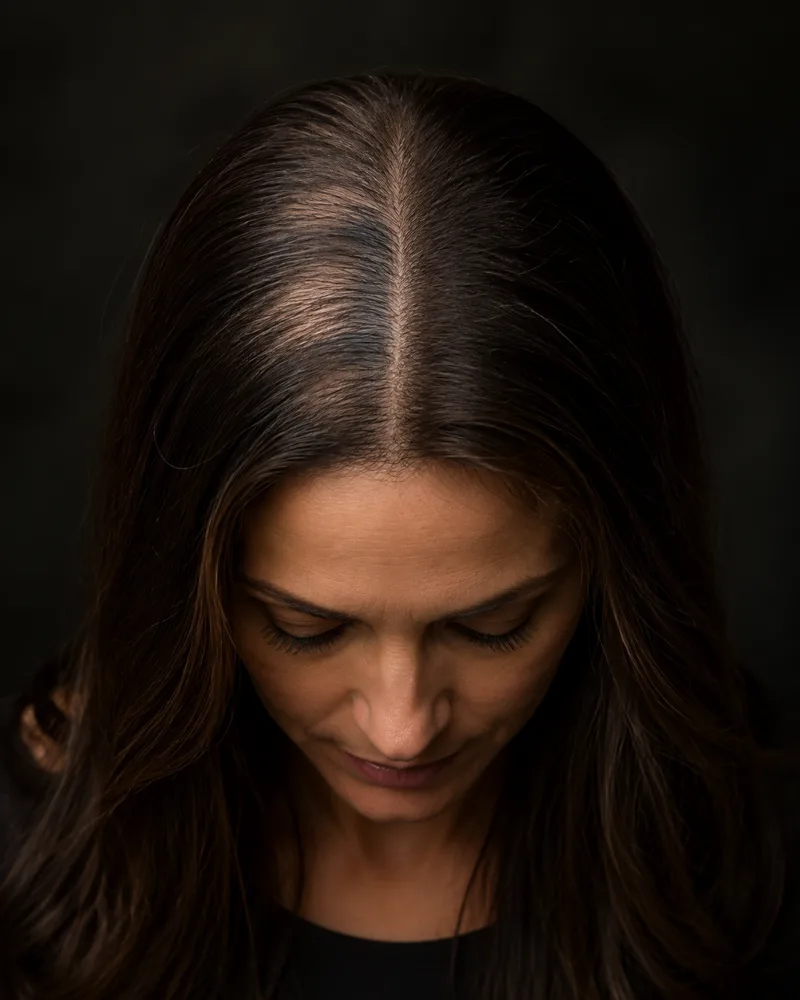
Thinning + existing hair
Keep your length.
Consider the coverage.
Density work relies on enough existing hair to support the visual effect. Styling, current scalp visibility and possible future thinning belong in the assessment.
Explore SMP for women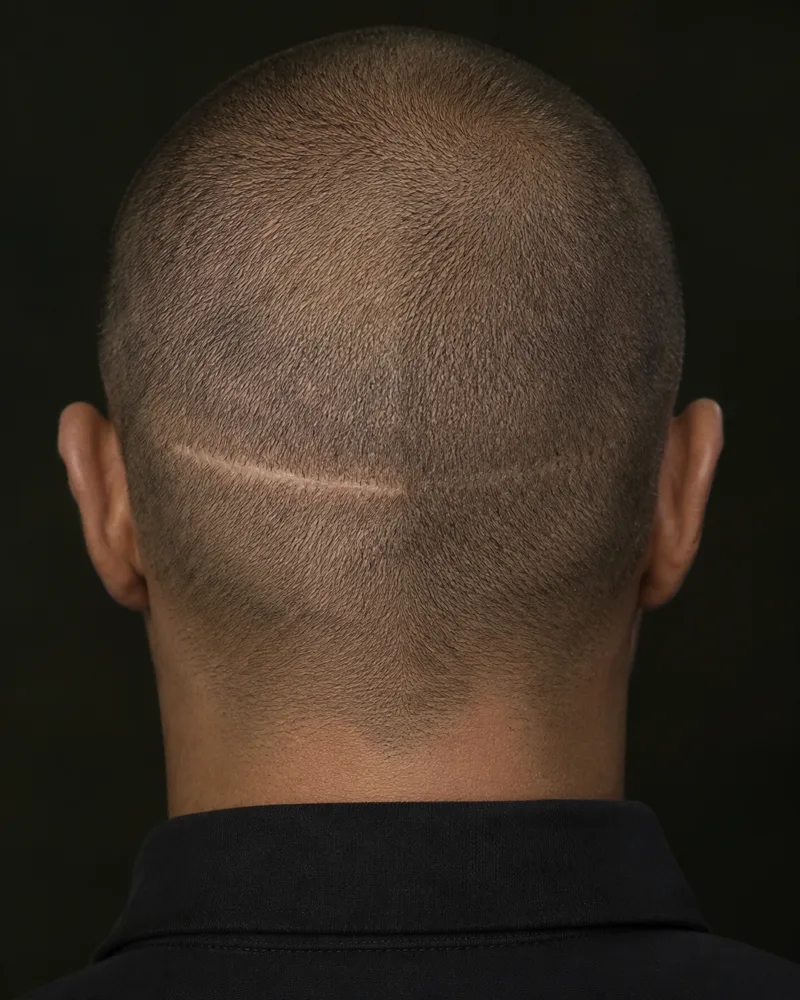
FUE, FUT + selected scars
Reduce the contrast.
Respect the tissue.
Scalp scar camouflage needs an individual assessment of healed tissue. Pigment retention can differ, and raised or indented texture can remain visible.
Explore scar camouflageTreatment illustrations, not client results or predicted outcomes. Individual suitability and results vary.
Different tools. Different jobs.
SMP, a transplant or a hair system?
Start with what you want to change.
These options do not create the same result. Decide whether you want the appearance of a shaved scalp, actual growing hair, or wearable length and coverage.
Scalp micropigmentation
Pigment can suggest shaved follicles or reduce visible contrast between existing hairs. It does not add hair length. Consider the design, healing and longer-term appearance.
Hair transplantation
A surgical procedure relocates follicles from a donor area. Suitability depends on factors including available donor hair and the pattern of loss. Discuss the likely coverage, recovery and ongoing hair loss with a qualified surgeon.
A hair system or wig
A fitted hairpiece can provide length and styling without regrowing your own hair. Ask about attachment, cleaning, replacement and how the routine fits your life.
Medical hair-loss treatment
Depending on the diagnosis, medication or another treatment may help preserve or regrow hair. This requires a clinical assessment; SMP does not replace it or stop the underlying loss.
Not everyone needs a procedure. Keeping your current look or shaving without SMP are options too. A useful consultation should help you understand the tradeoffs, not assume the answer.
AAD: hair-loss diagnosis and treatment options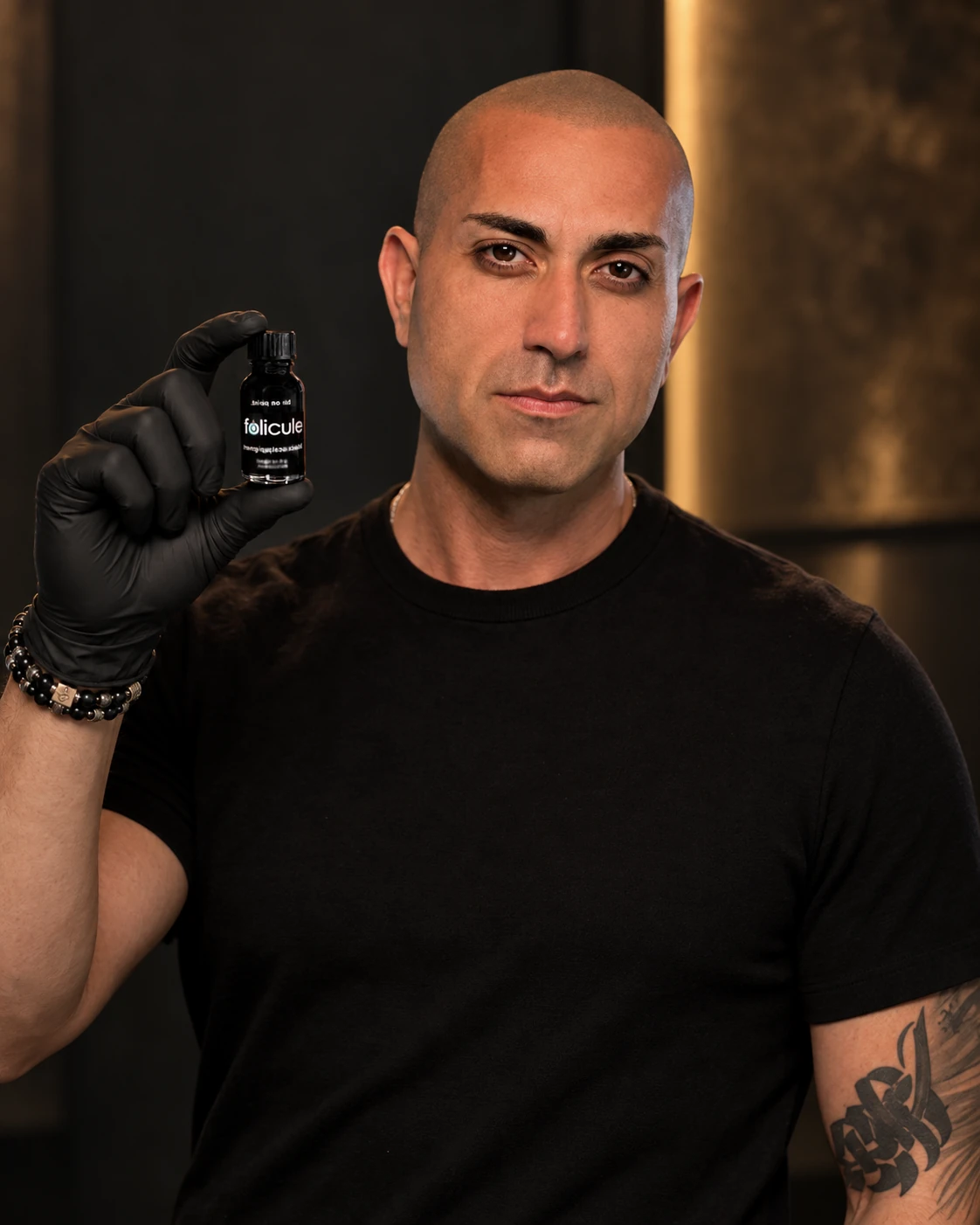
06 / The person behind the impressions
How to find the best
scalp micropigmentation
practitioner—and avoid regrets.
A strong portfolio starts the conversation. The explanation behind the work should help you decide whether that artist is right for you.
- Ask to see it healed.Look for documented photographs, clear treatment stages and starting points relevant to yours. Fresh results and marketing portraits are different kinds of images.
- Ask why the design fits.Hairline shape, softness and the transition into existing hair deserve a specific explanation—not only “trust me.”
- Ask about standards and support.Discuss training, hygiene, pigment handling, aftercare and how concerns are addressed. A certificate is one part of your assessment, not a result guarantee.
Meet Alex Asher, the award-winning artist behind SCALPS. Explore his story, recognition and approach, then bring the questions that matter to you.
Meet your SMP artist