Is scalp micropigmentation safe?
Scalp micropigmentation (SMP) is a cosmetic tattoo. A needle breaks the skin to deposit pigment, so there is a risk of infection, a reaction to the pigment, or scarring.
Before you book, check how the artist handles needles and ink, and talk through anything that might affect how your scalp heals.
See what to ask the studio
What are the risks of SMP?
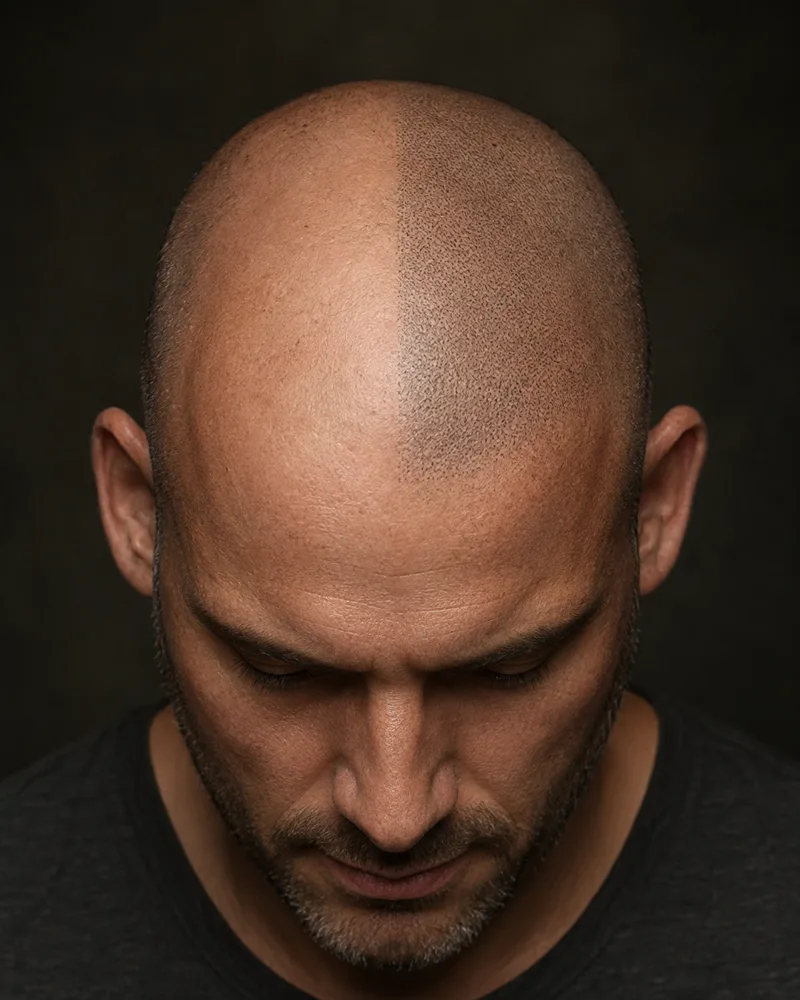
SMP uses small pigment deposits to imitate the look of hair follicles. The size of the marks is part of the design. Infection control matters with every puncture.
- Infection
- Bacteria can get into the skin through contaminated ink or equipment. The FDA has found contamination even in some sealed tattoo ink bottles.
- Pigment reactions
- Tattoo pigment can cause a rash or other skin reaction. Some reactions appear long after the appointment.
- Scarring
- Tattooing can cause raised scars, especially if you tend to form keloids. Tell your artist about scars you’ve developed after past injuries or procedures.
What to ask before you book SMP
Use these questions when you call or visit. You should be able to get a clear answer before you pay a deposit.
Check New Jersey’s body art guidanceDo you open a new needle for each client?
Ask whether the practitioner opens a sterile, single use needle or cartridge at your appointment and how they dispose of it afterward.
How do you handle the pigment?
Ask what ink they use, whether they can identify its lot, and what they use to dilute it if dilution is needed. The CDC advises against using nonsterile water for tattoo ink.
How do you prepare the treatment station?
Ask how the artist cleans surfaces and changes gloves. In New Jersey, your local health department can explain how to check a body art establishment’s approval.
What happens after the appointment?
Ask for written aftercare instructions and find out who to contact if you have a question. Read the SCALPS aftercare guide before your session.
When to wait or get medical advice
Before SMP
Wait if the treatment area has a rash, open sores or signs of infection. If you have a scalp condition, a history of keloids, or a condition or medication that affects healing, ask your clinician before you book.
After SMP
Seek medical care promptly if redness spreads, pain worsens, or you develop pus, fever or chills. For trouble breathing, seek emergency help.
Read the SMP side effects guideAsk Alex about your scalp
Bring your questions about the process, your scalp and how treatment would fit your routine. Meet by phone, on Zoom or at the studio. You can take your time deciding.