
SCALPS® · Density, thoughtfully designed
Scalp micropigmentation for women.
Less visible scalp.
More of your style.
A subtle way to soften scalp show-through between existing hairs. Designed around you.
Explore density SMP01 / Understand the treatment
What is scalp micropigmentation for women?
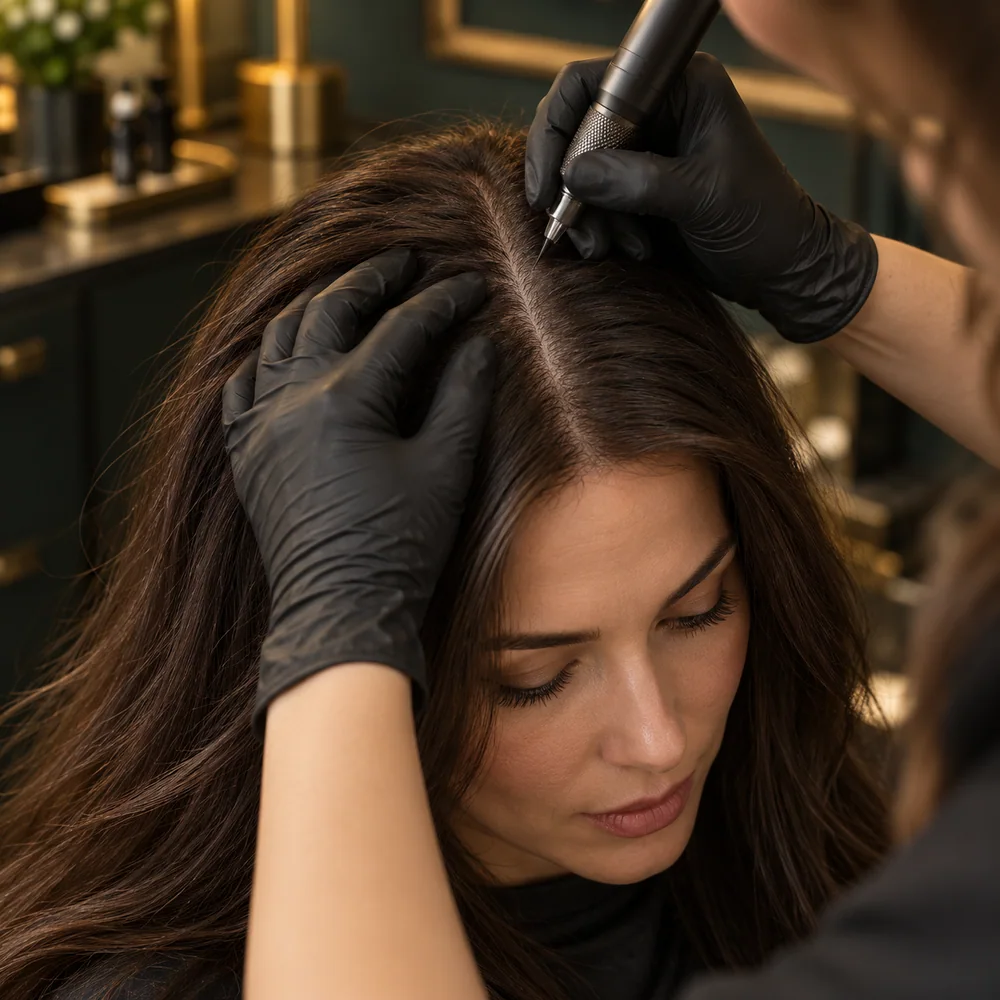
A hair tattoo that makes visible scalp less noticeable.
Scalp micropigmentation, or SMP, places small pigment impressions in the scalp. For women with thinning hair, those impressions can soften the contrast between the scalp and the hair that remains.
Your hair supplies the length and movement. The pigment changes the background you see between it. SMP does not grow hair, add physical thickness or treat the cause of hair loss.
See where it can help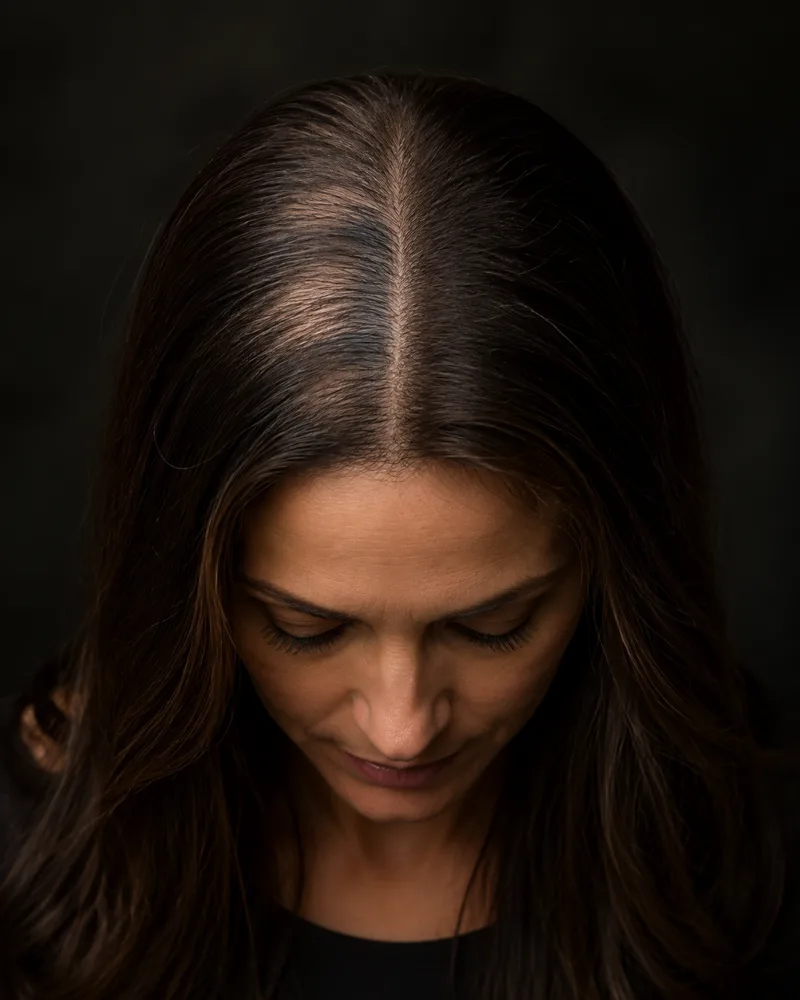
02 / Find your starting point
Where can women’s SMP help?
A widening part. A more visible crown. Thinning around the hairline. The right approach depends on the hair that remains and how you wear it.
Tap the area you want to explore.
 The partA part that
looks wider.How SMP can help
 The partA part that
looks wider.How SMP can help
Soften the visible line of scalp.
Small pigment impressions between existing hairs can reduce the contrast along the part. The aim is a less noticeable scalp background when you wear your hair as usual.
Placement must blend with the surrounding hair. Your usual part and the coverage beside it guide the plan.
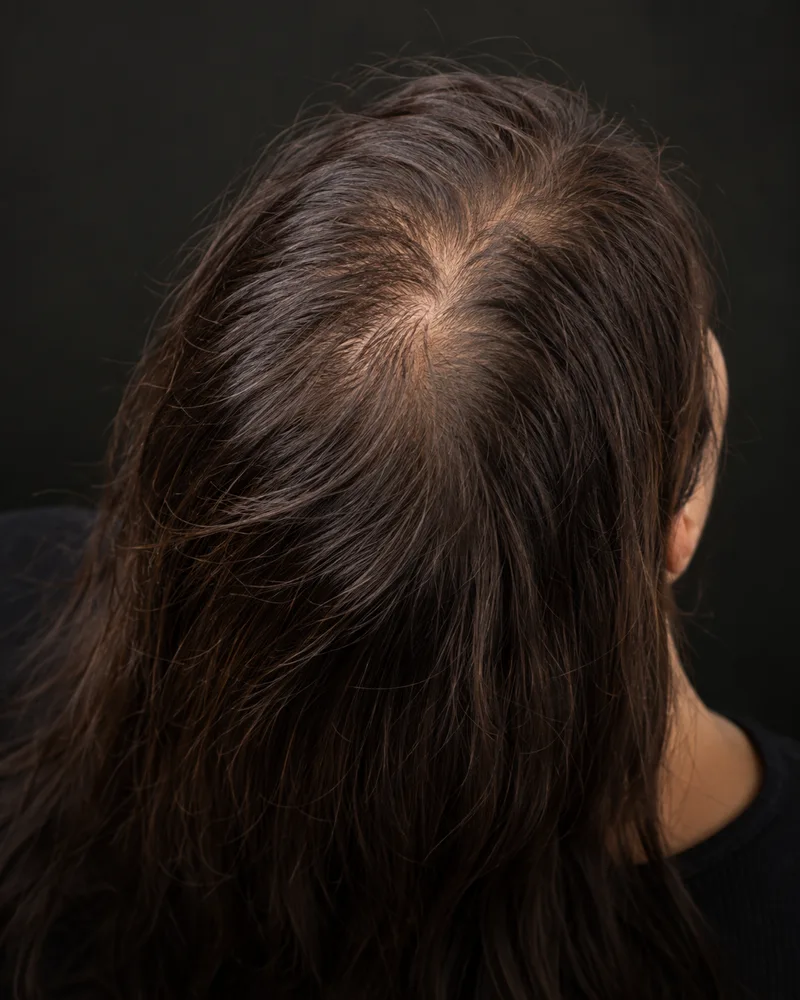
The crownScalp showing
through.How SMP can help
 The crownScalp showing
through.How SMP can help
Reduce the contrast at the crown.
Density SMP can make visible scalp around the crown less noticeable. The plan considers the whole area, including the natural whorl and the direction your hair falls.
Enough existing hair must remain to support the appearance you want. A consultation helps establish whether the coverage will blend.
The hairlineThinner
at the edges.How SMP can help
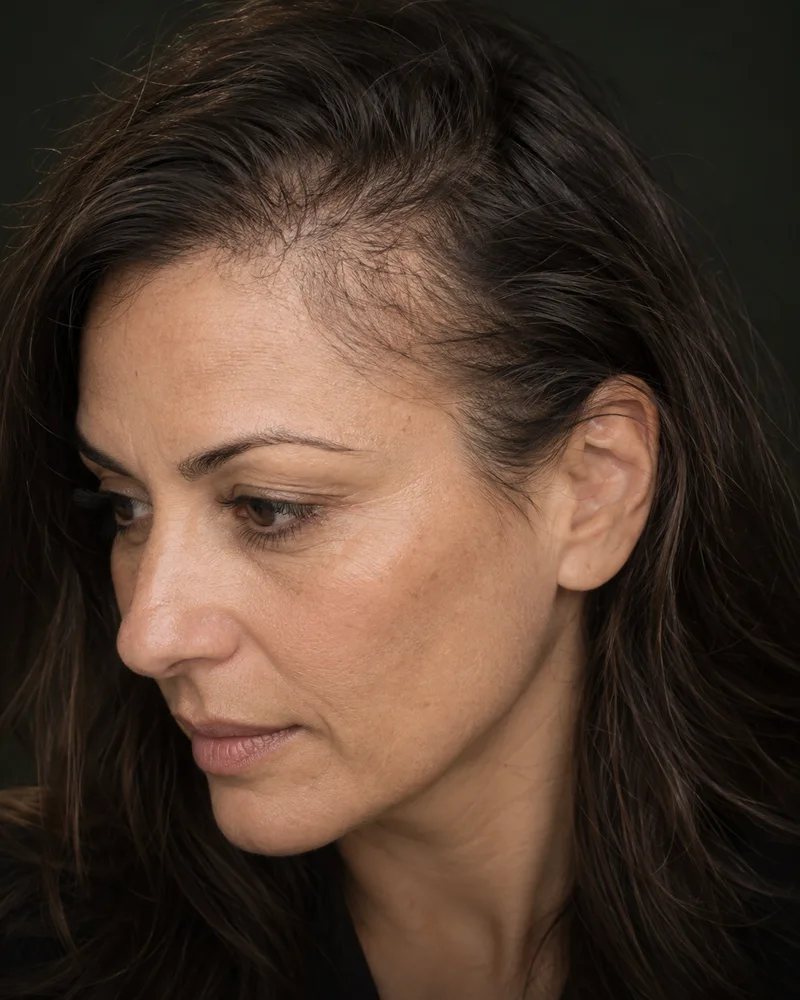 The hairlineThinner
at the edges.How SMP can help
Blend with your existing hairline.
Density work follows your existing hairline and the fine hairs beside it. Pigment can soften scalp contrast where thinning is visible near the temples.
Your styling matters. We consider how the area looks with your usual hairstyle before planning the placement.
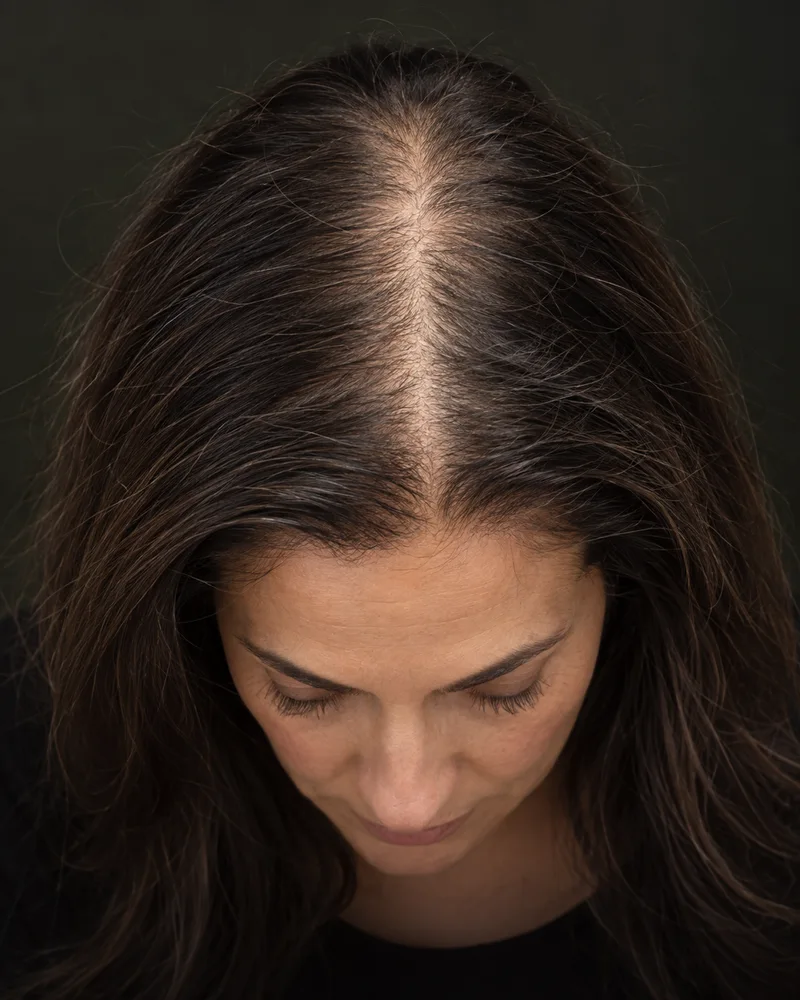
Illustrated starting points. These images show the areas being discussed.
Could it work for your hair?
SMP may help where enough surrounding hair remains to support the appearance you want. We assess your scalp, hair coverage and expectations before recommending treatment.
If thinning continues, the visible balance can change. New, patchy or unexplained loss deserves a medical assessment. Read the American Academy of Dermatology’s guidance.
03 / See the actual work
What does women’s SMP look like?
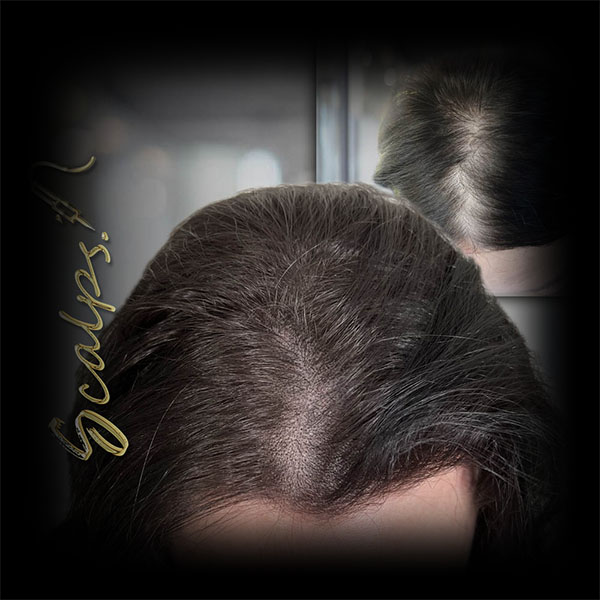
Look at the scalp between the hairs.
This original SCALPS photograph shows density work around the part. Look at the visible scalp and the transition into the hair beside it.
When comparing women’s SMP results, ask about lighting, hair styling and when the photograph was taken. Those details help you understand what you are seeing.
Start my SMP survey View more SCALPS work04 / Meet the artist
Who will plan your treatment?
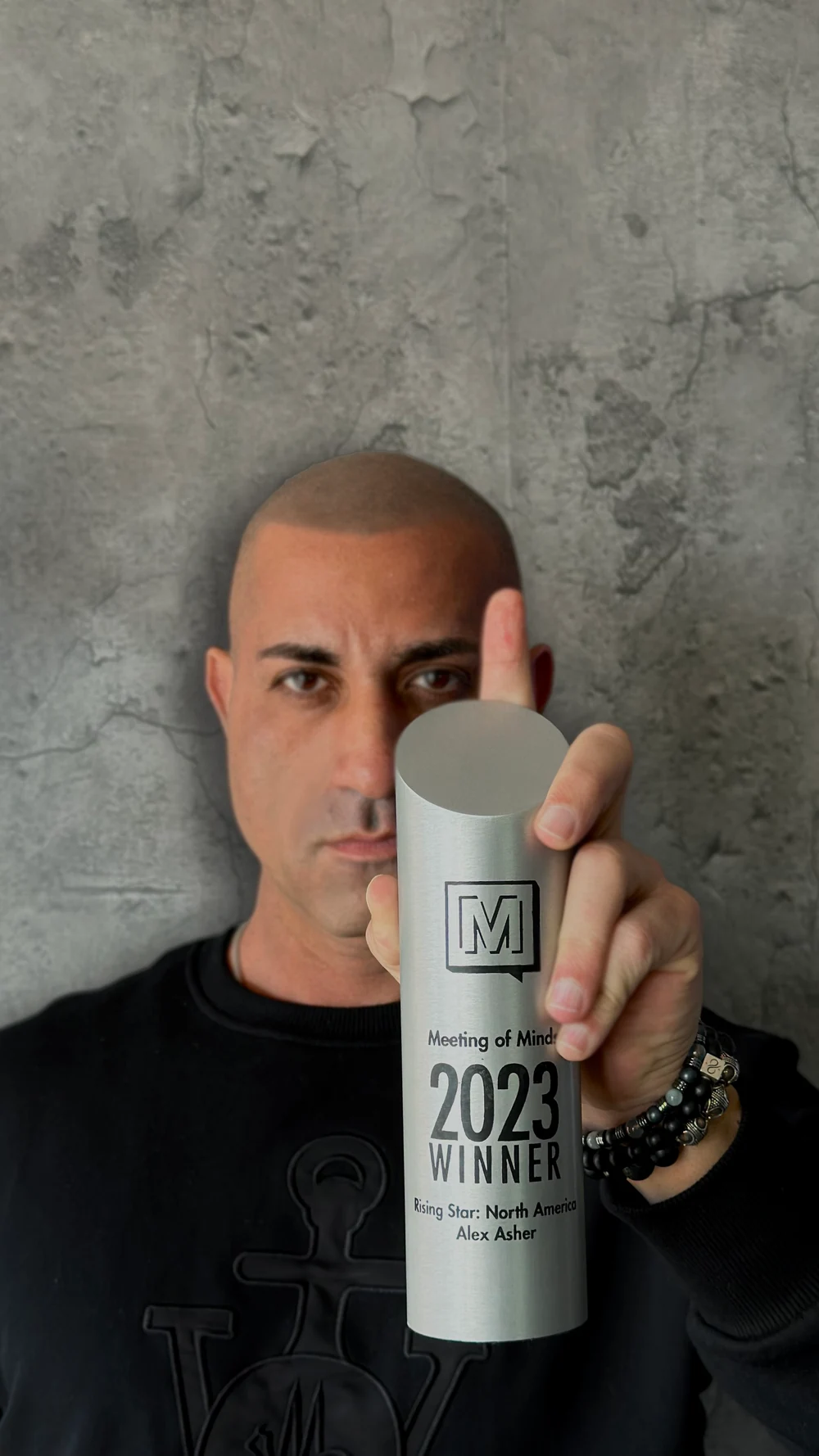
Alex Asher.
SCALPS founder & SMP artist
Your usual part, the way your hair falls and the scalp visible in everyday light guide the placement, spacing and tone.
- 2023Meeting of Minds · Alex AsherAward winner
- 2021/22Prestige Awards · East Coast USAScalp Micropigmentation Specialists of the Year
- 2022The CIO Today · Published award coverageScalp Micropigmentation Specialist of the Year
A plan around your existing hair.
At SCALPS, the consultation starts with what you want to change. We discuss whether SMP fits that goal, the likely visits and the care involved before you commit to treatment.
05 / Know what to expect
What happens during treatment?
Density SMP develops across planned sessions. Your consultation establishes the treatment area, expected visits and care.

Assess your scalp
and plan.Discuss your goals, current hair and how you wear it. Understand the expected result and the limits before treatment begins.
Build the pigment
impression.Small impressions are placed between existing hairs in the agreed area. The effect develops across your planned sessions.

Review how
it settles.Allow the skin to settle before assessing the balance. Follow your scalp care instructions and discuss future maintenance.
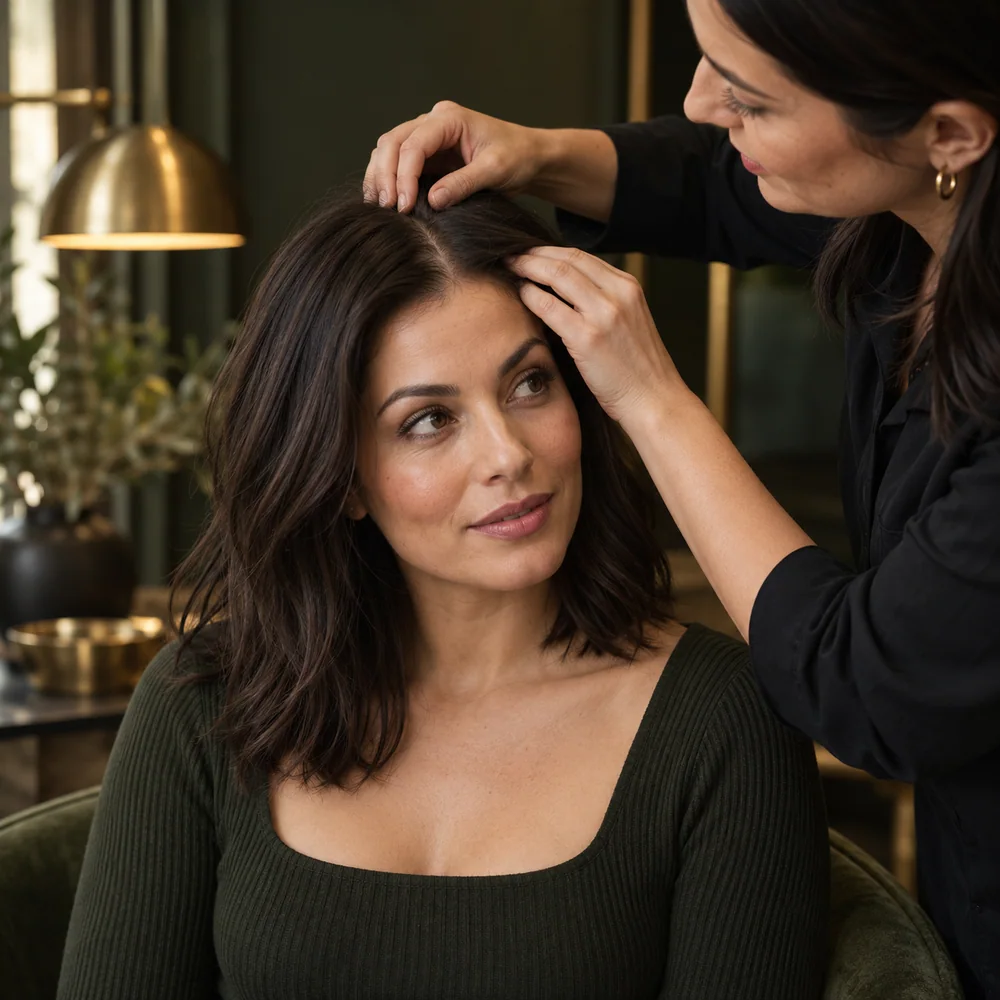

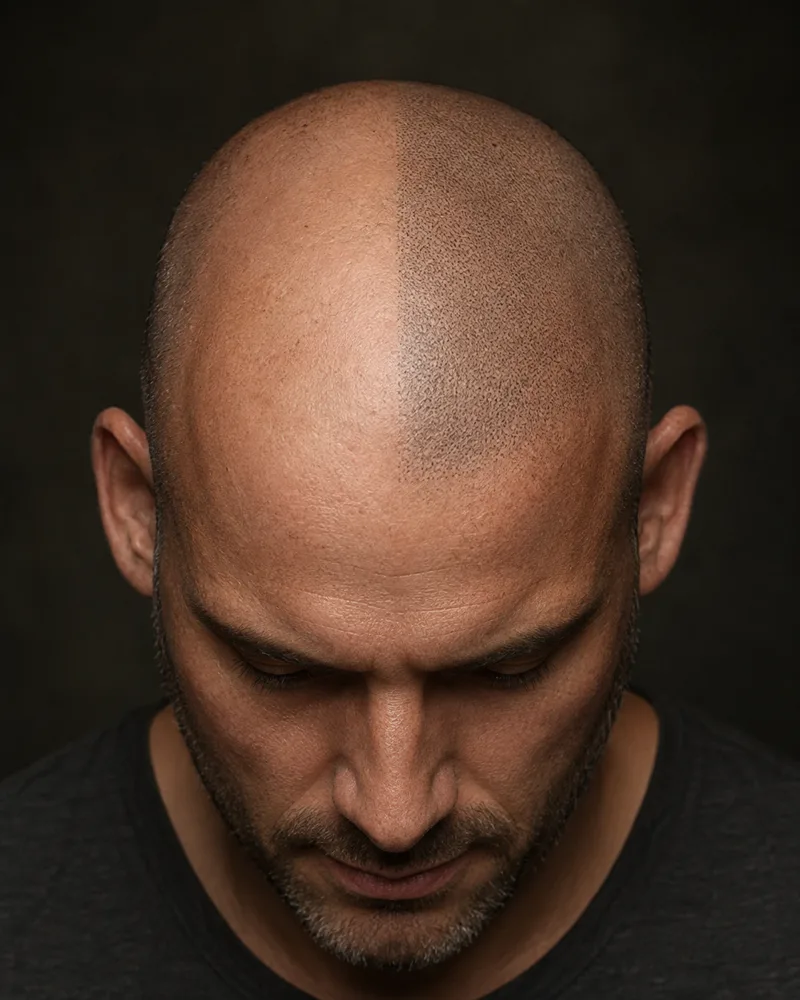
SMP for women
with alopecia.
A closely shaved appearance. A plan around your hair loss.

Illustrated.
When you want
a shaved look.
If alopecia has left larger areas of your scalp without hair, scalp micropigmentation can create the appearance of closely shaved follicles.
We assess your scalp and discuss your hair loss pattern. Alopecia areata, totalis, universalis and ophiasis can require different coverage. Your hairline, shade and treatment area are planned together.
A soft hairline
Shape and placement considered around your face.
A balanced shade
Small pigment impressions planned around your skin tone.
Coverage around the head
The sides and nape can be part of the plan too.
07 / Get clear answers
Questions about
women’s SMP.
Know what you are choosing before you choose it.
Do I have to shave my hair for density SMP?
Density work is planned around existing hair, rather than a shaved-head style. Discuss your current length and usual part with us before making any haircut changes. We confirm any preparation your individual plan requires.
Can SMP help women with thinning hair?
It may make visible scalp less noticeable where enough surrounding hair remains to support the intended appearance. Suitability depends on the hair-loss pattern, scalp condition and goals—not age or a photograph alone.
Is a hair tattoo the same as regrowing hair?
No. SMP is a cosmetic pigment effect. It does not restore follicles or stop further hair loss. It should not replace medical care for an underlying condition.
Is scalp microblading the same as SMP?
People sometimes use these search terms interchangeably, but ask what technique is actually being offered. Our density SMP approach uses small pigment impressions to reduce scalp contrast—not an eyebrow-style drawing of long hair strands.
What if my hair keeps thinning?
Talk through that possibility before treatment. Changing hair coverage can alter what pigment looks like over time. Your plan should consider continued medical care where appropriate and future cosmetic maintenance.
How long will the appearance last?
Pigment can remain for years, but its appearance changes. Skin, sun exposure, aftercare and the treatment affect when a refresh may be appropriate. There is no universal touch-up date.
Is there healing or aftercare?
Yes. Nonsurgical does not mean risk-free or care-free. Potential risks include infection, allergy and an unwanted pigment appearance. Ask about scalp care and when to resume washing, exercise and hair coloring before booking.
What should I look for in women’s SMP results?
Look for clear views of the part and scalp between existing hair. Ask about lighting, hair styling, treatment timing and maintenance. A dark after photo alone does not tell you how the work will look in everyday light.
General background: Cleveland Clinic’s SMP guide. Your individual treatment requires assessment.
Step one
Tell us what you
want to change.Answer the survey and submit your contact details.
Start the surveyStep two
Choose how
you’d like to meet.Pick Phone, Zoom or an in person consultation, then a time.
Choose a consultationStep three
Talk through
your treatment plan.Understand the treatment and its cost before deciding.
Take the first step