The SCALPS Journal
Scalp micropigmentation vs. hair transplant.
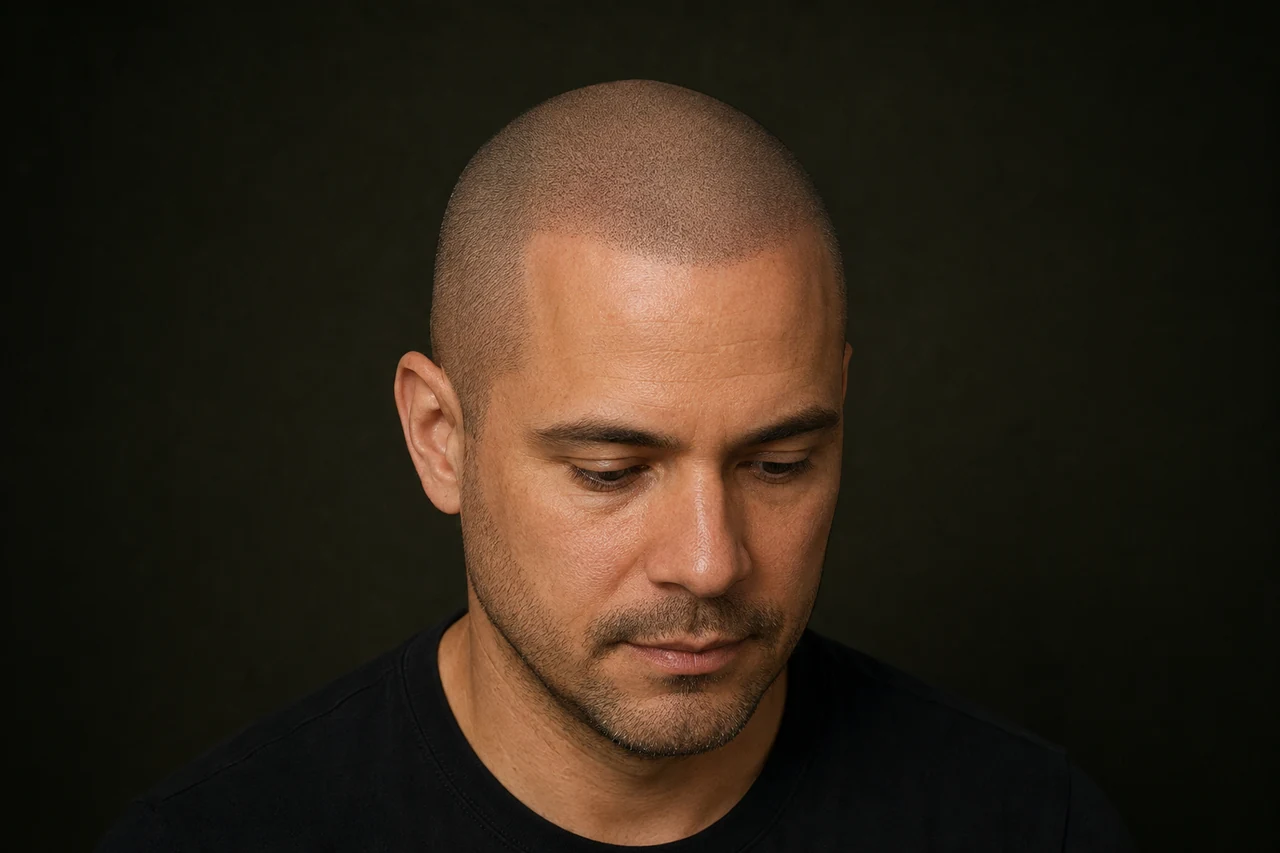
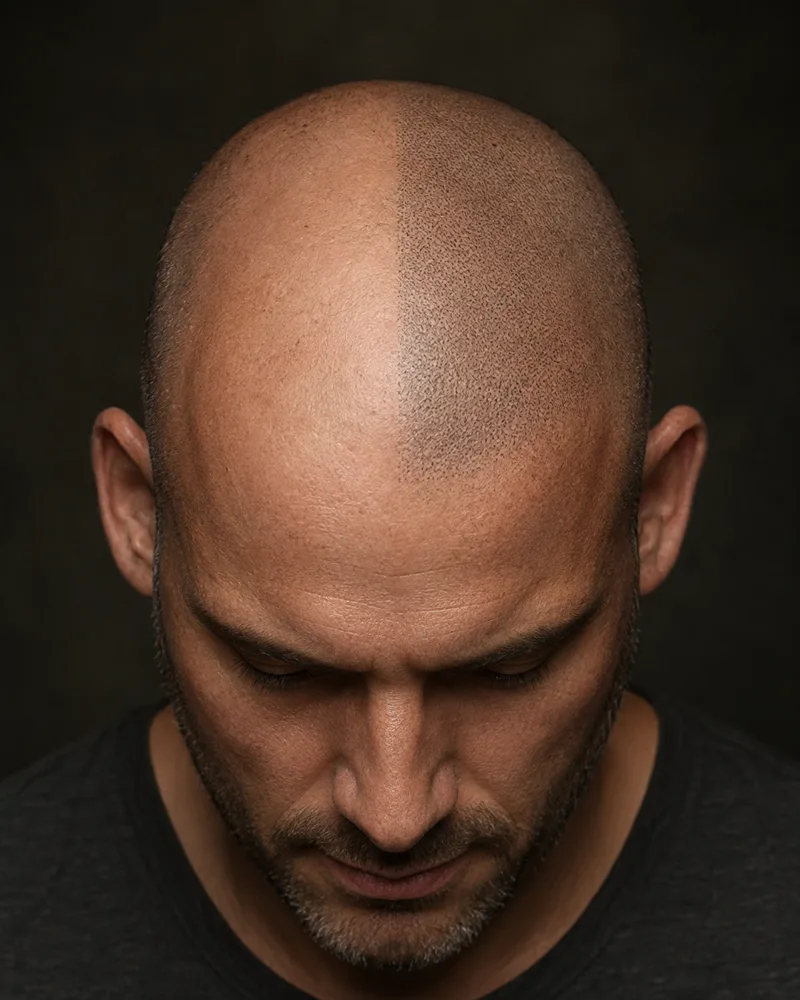
A hair transplant moves follicles that can grow hair. Scalp micropigmentation (SMP) places tiny dots of pigment to create the look of a close shave or make the scalp less visible between existing hairs.
Compare the procedures
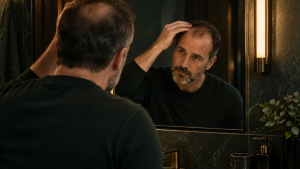
What do you want to see in the mirror?
- I want hair I can grow and style
- Start by asking about transplant candidacy.
- I want a close shave or less visible scalp
- See what SMP could change.
- I already had a hair transplant
- Read about SMP for healed scars or visible scalp.
SCALPS provides SMP. A dermatologist or qualified hair transplant surgeon can assess hair loss and explain whether surgery is an option for you.
SMP and hair transplant side by side
Compare what each procedure changes, who assesses you and what happens afterward.
| SMP | Hair transplant | |
|---|---|---|
| Result | Pigment creates the appearance of stubble or reduces scalp contrast. | Surgery moves existing follicles into an area with less hair. |
| Fit | Scalp condition, existing coverage and how you wear your hair. | Cause of hair loss, donor supply and whether the recipient area can grow hair. |
| Timing | Review how the pigment looks after the scalp settles. | Ask the surgeon when to expect growth. It takes months to judge the result. |
| Upkeep | Pigment can fade. Continued thinning can change how it blends. | Hair around the transplanted area can keep thinning. |
Read the Cleveland Clinic overview of SMP and American Academy of Dermatology guide to hair transplant surgery.
Who may be a candidate?
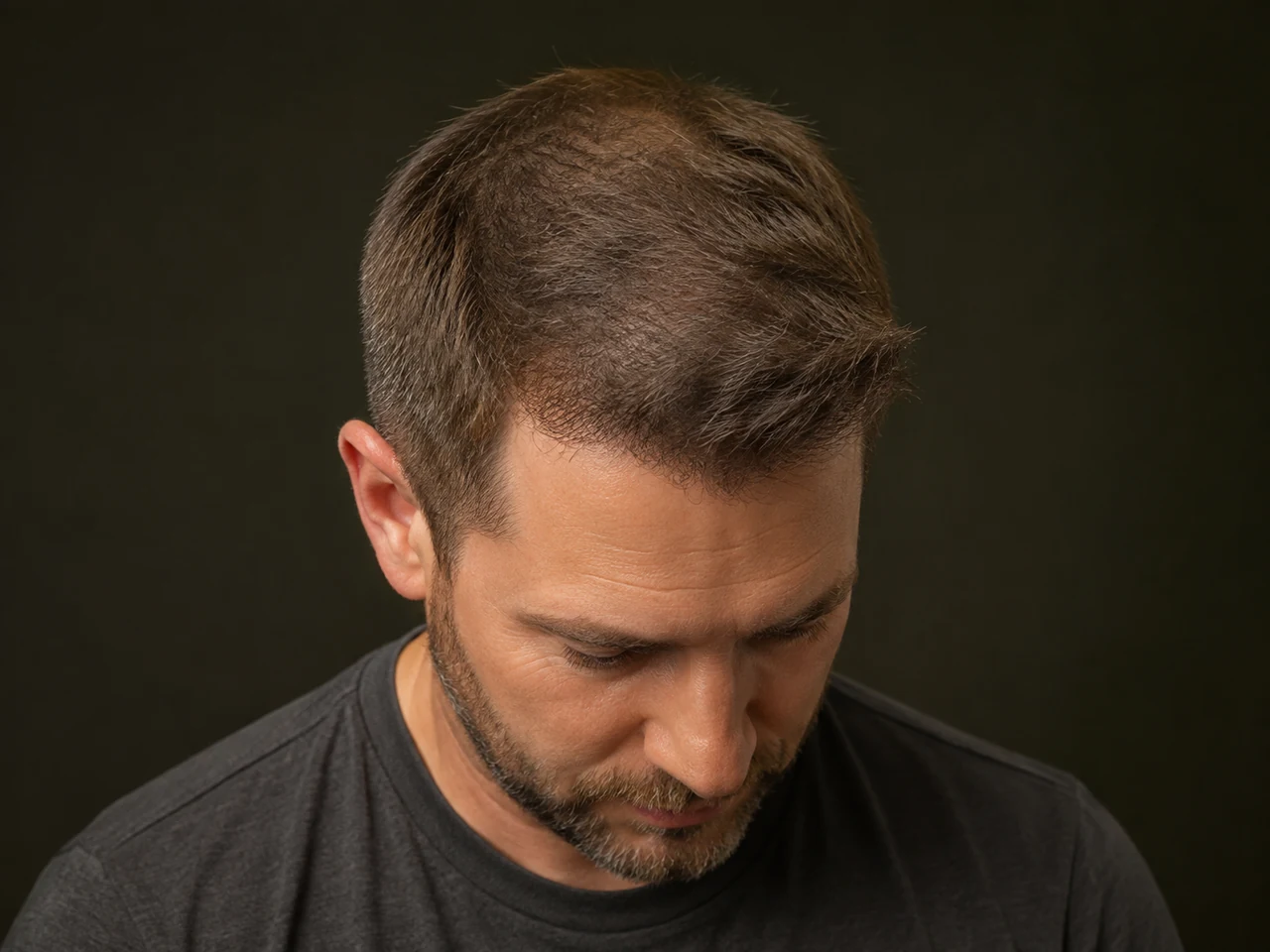
If hair loss is new, sudden or unexplained, start by finding the cause. A dermatologist can review the pattern and discuss treatment options before you decide on a cosmetic change or surgery.
Hair transplant candidacy
SMP candidacy
Can you get SMP after a hair transplant?
SMP may help make a healed donor scar or visible scalp less noticeable. Ask your surgeon when the area can be assessed. Then ask an SMP artist what can realistically blend with the hair around it.
Bring photos of the donor area
Show the area in ordinary light at the length you normally wear. That gives the artist a better view of the scar and the nearby stubble.
Explore transplant scar camouflageCompare recovery, upkeep and cost
Ask the surgeon when you can return to your normal routine, what risks apply, and how follow-up is handled. With SMP, ask how to care for the scalp between visits and what would make a future refresh useful.
Ask for a written estimate and what it covers. Use the SCALPS pricing page for current SMP rates.
Ask about risks before deciding
A transplant carries surgical risks, including infection or scarring. SMP uses needles and pigment, so ask about hygiene, the risk of infection or a pigment reaction, and aftercare. Review Cleveland Clinic’s transplant guidance.
Talk through what SMP can do for you
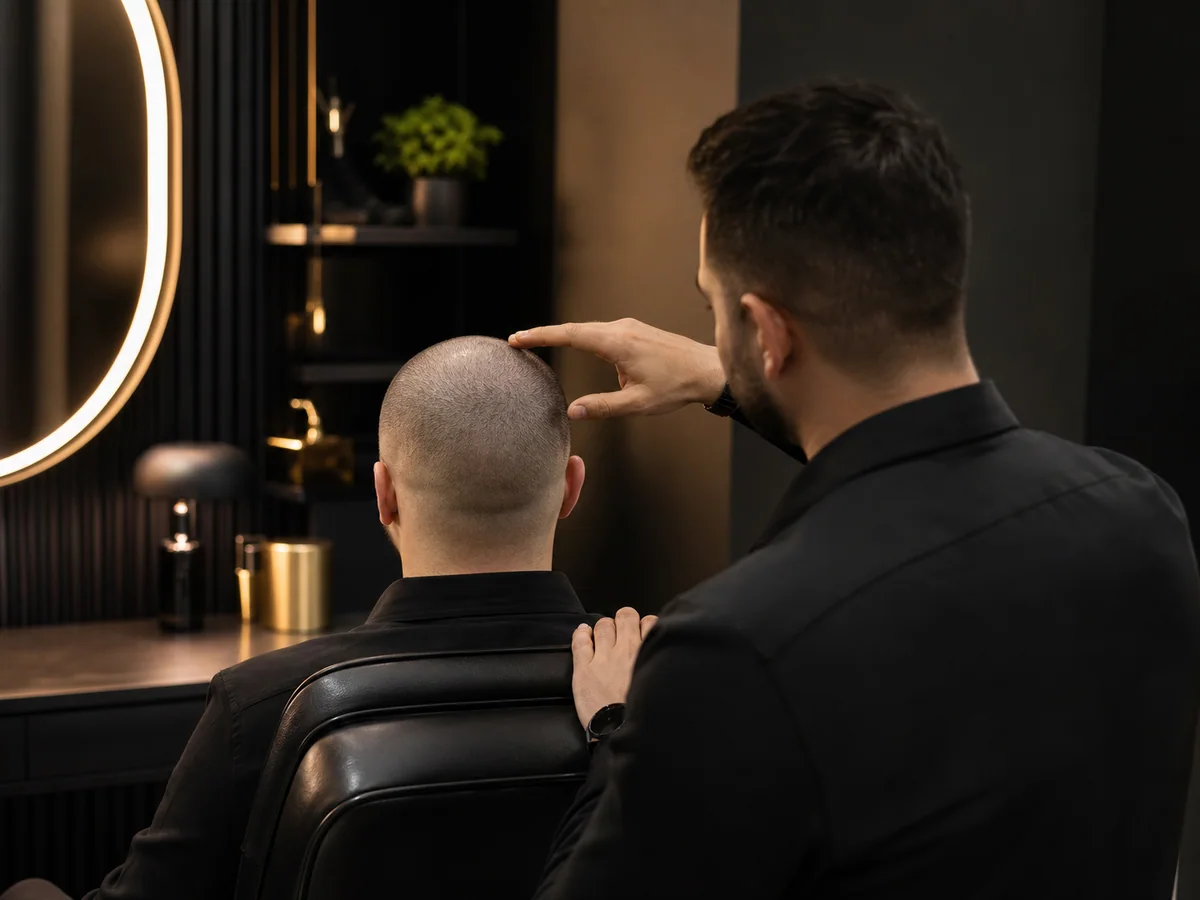
Show Alex how you wear your hair and what you’d like to change. A free consultation gives you time to ask whether SMP fits that goal.