The SCALPS journal · Compare the methods
Microblading for hair loss: Five things to know.
Hairline strokes, SMP dots and the questions to ask before choosing a cosmetic tattoo procedure.
Start with the difference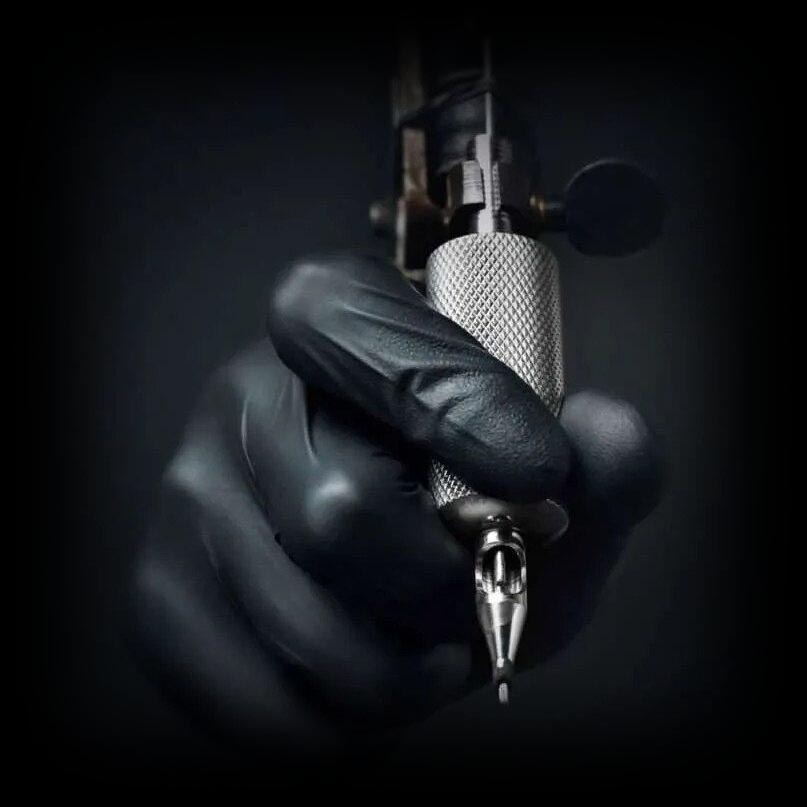
A convincing eyebrow is not a scalp treatment plan.
Search for microblading hairline work and you will see promises about filling gaps, framing the face and making hair look fuller. Before comparing photos, find out what the practitioner is actually proposing. A treatment name can hide a very different pattern, tool or technique.
Microblading is commonly described as creating fine strokes with a blade shaped tool. SMP uses small needle impressions to build a pattern of dots. Memorial Sloan Kettering describes both in its hair loss resource, with microblading discussed for eyebrows. That context does not establish how a particular scalp procedure will perform.
This comparison covers five practical questions about microblading for hair loss and scalp micropigmentation. Both create a cosmetic appearance with pigment. Neither creates strands that grow, move or add hair length.
Understand the proposed pattern
Strokes and dots create different marks.
Ask the artist to show the pattern they intend to use and how it relates to your remaining hair. The shape of the mark is one part of the design.
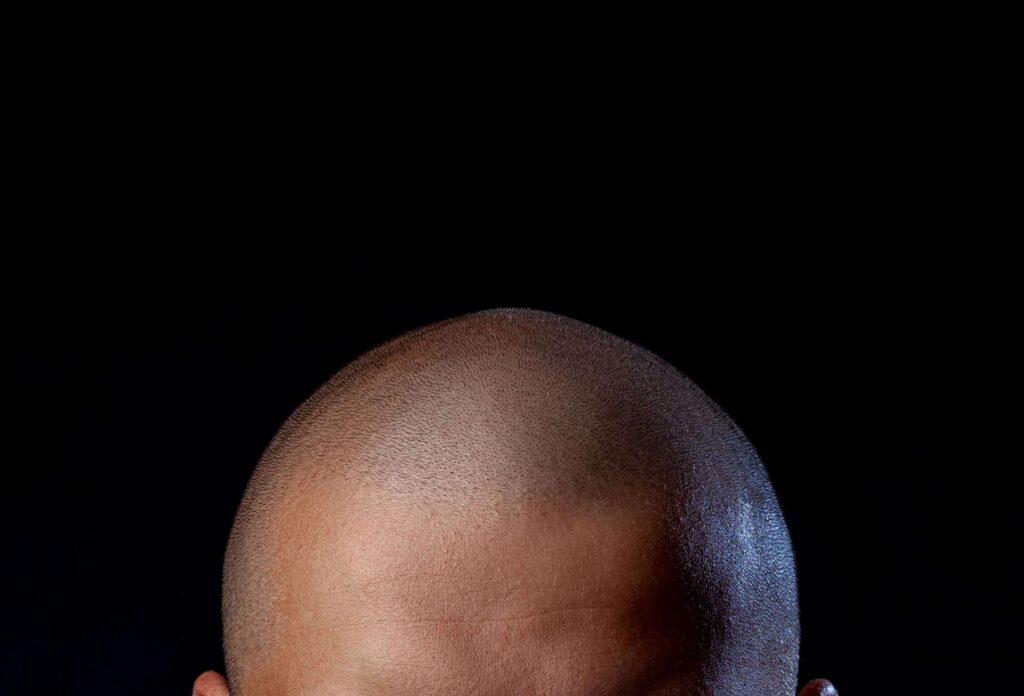
For a shaved hairline, ask how the marks will blend with the closely cut hair at the sides. For longer hair, ask how they will sit between the existing strands. A longer mark on the skin cannot lift off the scalp like a growing hair.
Assess the actual area
Your scalp needs its own assessment.
Men considering hairline microblading and women exploring scalp coverage may be offered different procedures. Ask which area will be treated, which tool is used and what healed appearance the practitioner expects.
Bring your normal hairstyle. Discuss hair length, texture and the amount of visible scalp. Show the area when the hair is moved, not just when it has been arranged to cover it.
For a shaved style, our hairline tattoo page explains placement and edge choices. For density within longer hair, explore women's SMP or the men's treatment approaches.
Suitability is individual.
Discuss skin conditions, allergies, existing pigment and any history of unusual scarring before a procedure. A universal claim that every skin type is suitable skips the assessment. Cleveland Clinic identifies keloid susceptibility and other concerns in its SMP guidance.
New or unexplained hair loss should also be assessed medically. A cosmetic design cannot tell you why the hair changed.
Judge the lasting appearance
Look beyond the fresh photograph.
Ask when the photo was taken and whether the skin had settled. Request close views in ordinary lighting. Look at the boundaries, color and relationship to the surrounding hair.
If the proposed work uses strokes, ask to see healed strokes on the scalp. If it uses SMP dots, ask for healed impressions in a comparable area. An eyebrow photograph does not answer a question about a crown or shaved hairline.
Ask about the whole commitment
Safety and future upkeep.
Discuss pigment, hygiene precautions and aftercare. Confirm review arrangements too. Tattoo procedures can cause infection, allergic reactions or an unwanted appearance. Read the FDA's tattoo safety guidance and ask how the practitioner addresses those concerns.
Fading and maintenance vary. A fixed promise of six months, five years or a lifetime needs an explanation relevant to the procedure and your circumstances. More depth is not automatically a better result.
Ask what a refresh or correction would involve and how it is priced. Our SMP pricing page provides current published studio information.
Confirm the procedure.
Get a clear explanation of the technique and the appearance proposed for the area.
Discuss the pigment.
Ask which product is used and how it is identified in your treatment record. A phrase such as medical grade is not a complete answer.
Understand the care.
Review the written instructions and when the appearance is checked. Ask which signs should prompt contacting the practitioner or a medical provider.
Clarify maintenance.
Ask how the work is assessed later and what affects the decision to refresh it.
Read research in context
Know what the evidence shows.
A published SMP case series followed 22 patients for 7–32 months and reported one allergic reaction. The authors reported favorable appearance and satisfaction findings in that group. They studied SMP; they did not compare microblading with SMP. The Seyhan and Kapi abstract describes the study and its findings.
It can contribute to the discussion of SMP. It cannot prove that one technique is more effective than the other or guarantee your individual outcome. The consultation still needs to connect the proposed work with your scalp and expectations.
Is microblading the same as scalp micropigmentation?
Does either procedure regrow hair?
Is scalp microblading prohibited or approved?
What is the best first question to ask?
Get a specific treatment discussion
Bring the questions. Review the plan.
A free SCALPS consultation can explain the SMP approach we would consider for your scalp and preferred style.