Scalp micropigmentation for alopecia.
A guide for men and women.
You can know the name of your alopecia and still have no idea what to do next.
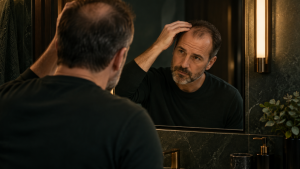
Maybe getting ready now includes covering a patch or checking how much scalp shows. Maybe you’re considering a shaved look and wondering whether it could feel like you. Start by seeing what SMP can look like, then work through what it would mean for your own scalp and daily routine.
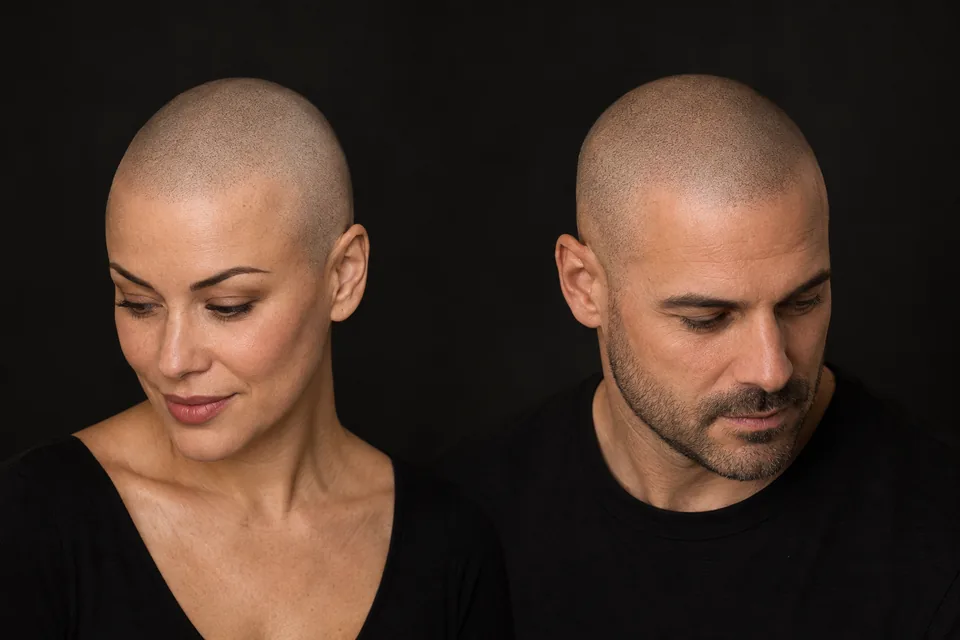
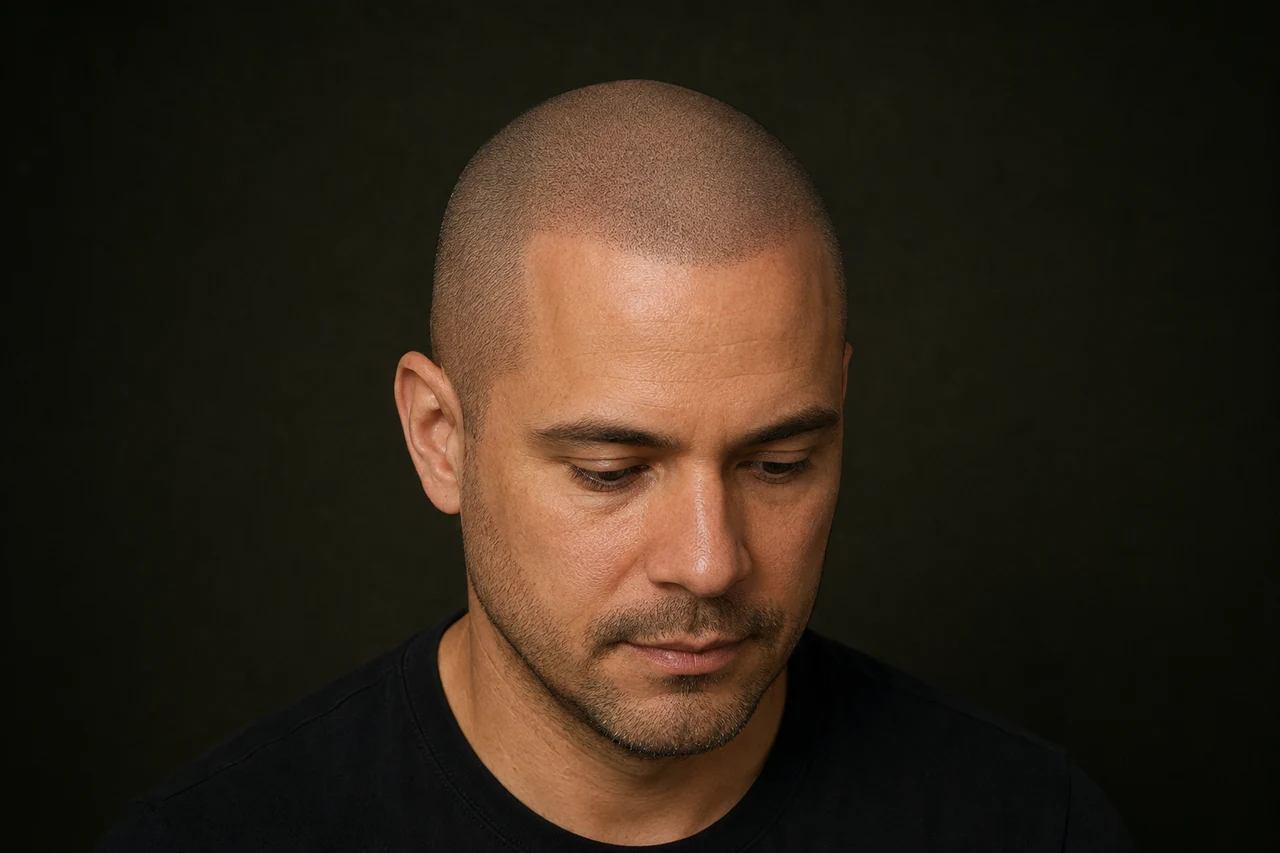
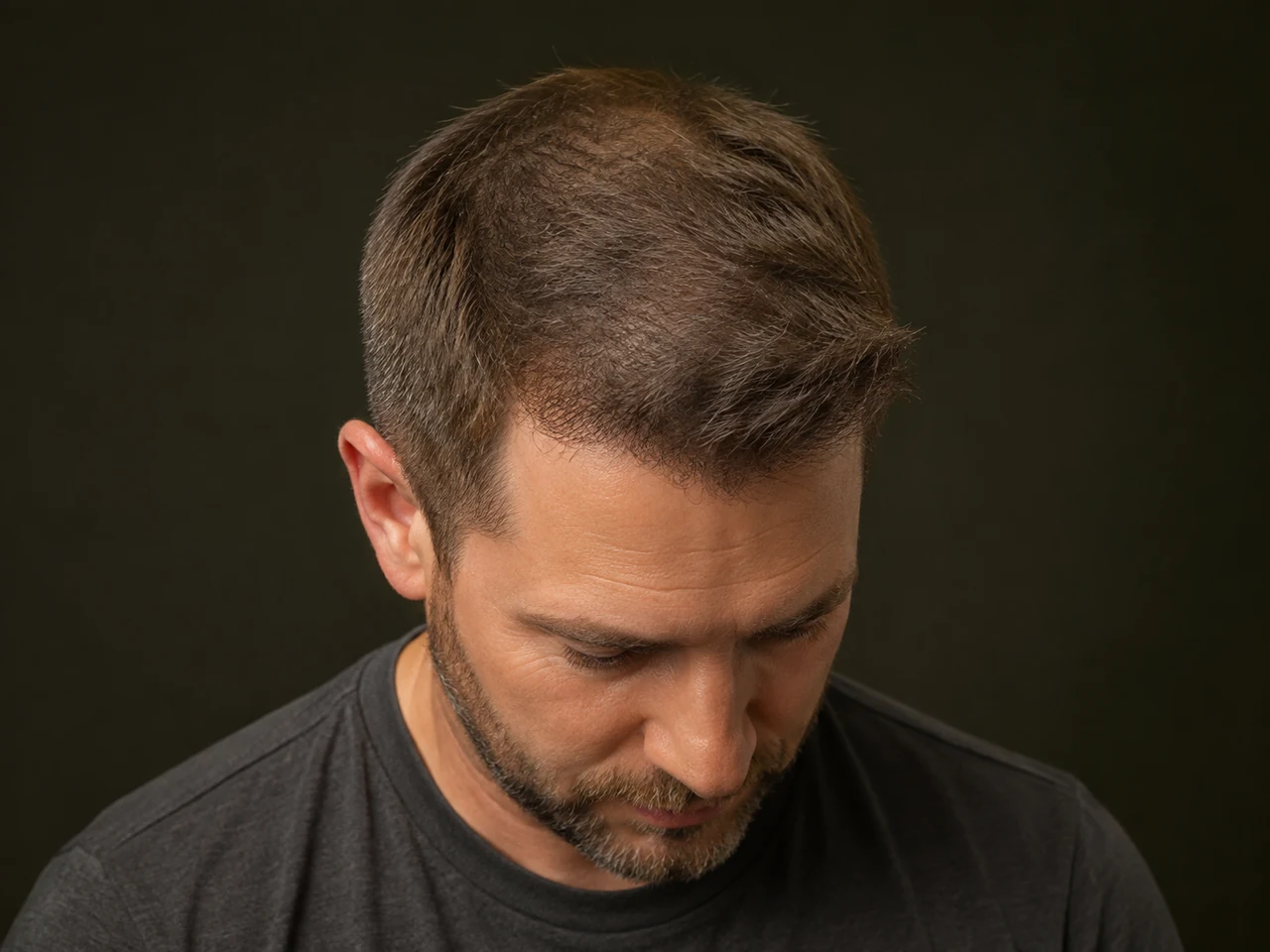
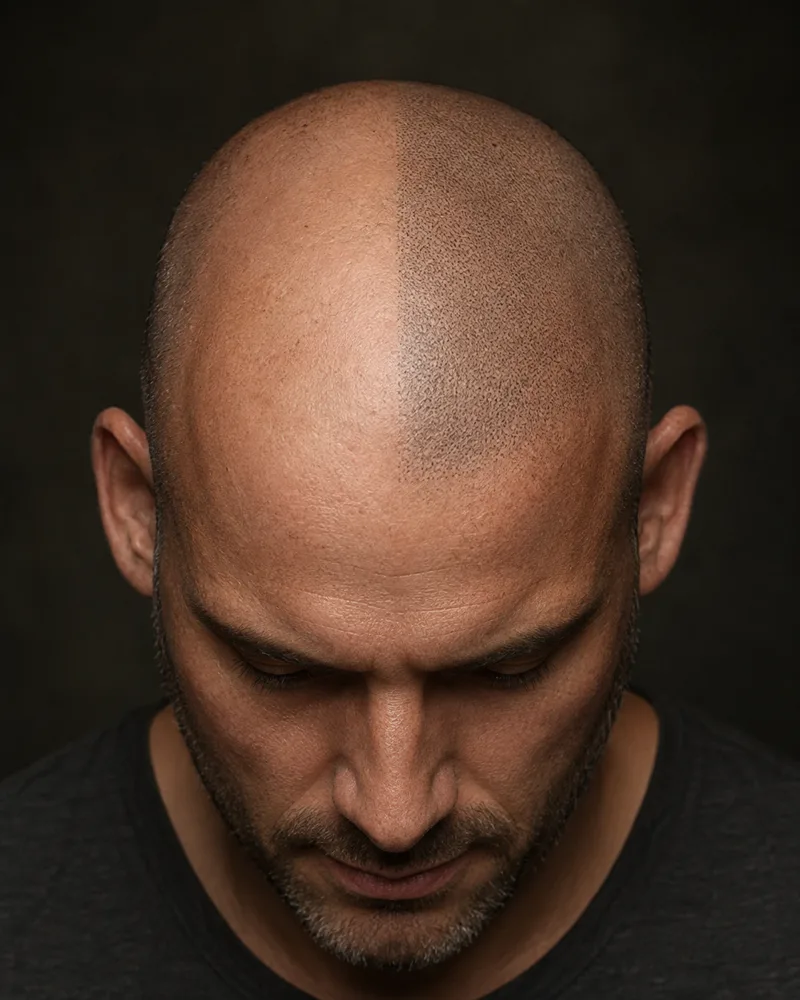
Scalp micropigmentation, or SMP, places small pigment impressions in the scalp to resemble hair follicles. For men and women with alopecia, it can create a closely shaved appearance or help camouflage visible scalp where suitable hair remains.
Areata, totalis and universalis: what changes?
Alopecia means hair loss. Alopecia areata is an autoimmune condition in which the immune system attacks hair follicles. It can affect men and women, and its extent can change. A dermatologist can identify the condition and discuss medical treatment.
-

Alopecia areata
- Often appears as round or oval patches. Planning cosmetic camouflage requires looking at the remaining hair and whether the pattern is changing.
-
Alopecia totalis
- Loss of all scalp hair. A shaved appearance may require designing the top, sides and lower scalp together.
-
Alopecia universalis
- Loss of scalp and body hair. Scalp SMP concerns the scalp appearance; it does not replace eyebrows, eyelashes or body hair.
-
Ophiasis
- A band of hair loss around the back and sides of the scalp. The temples, area around the ears and nape may need particular attention.
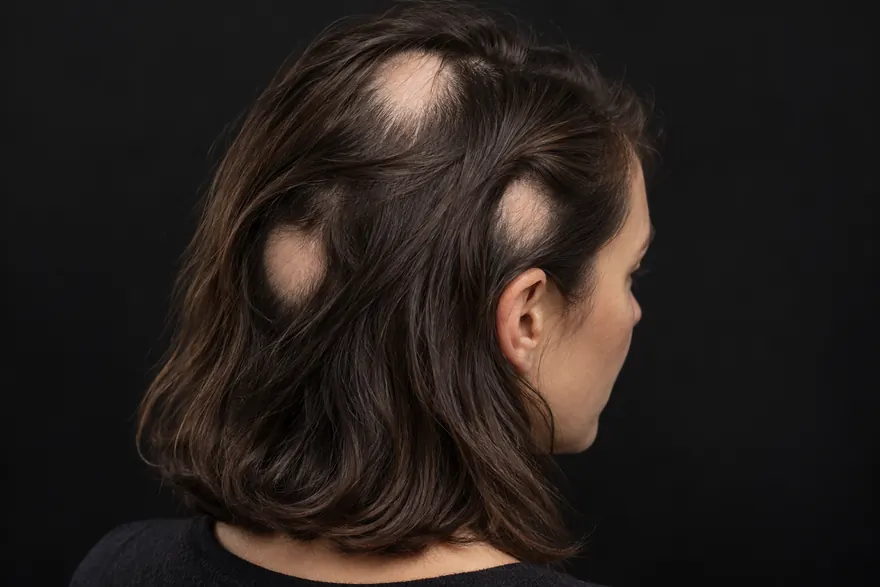
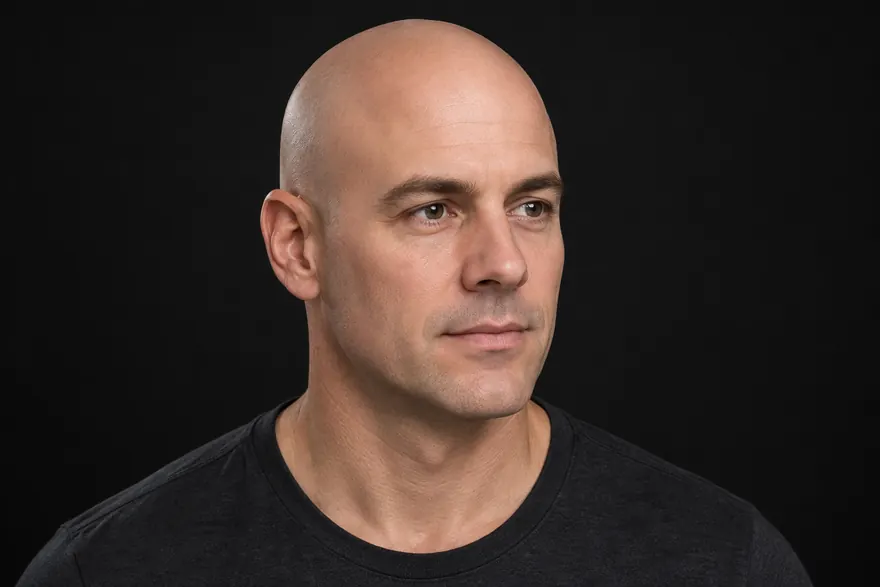
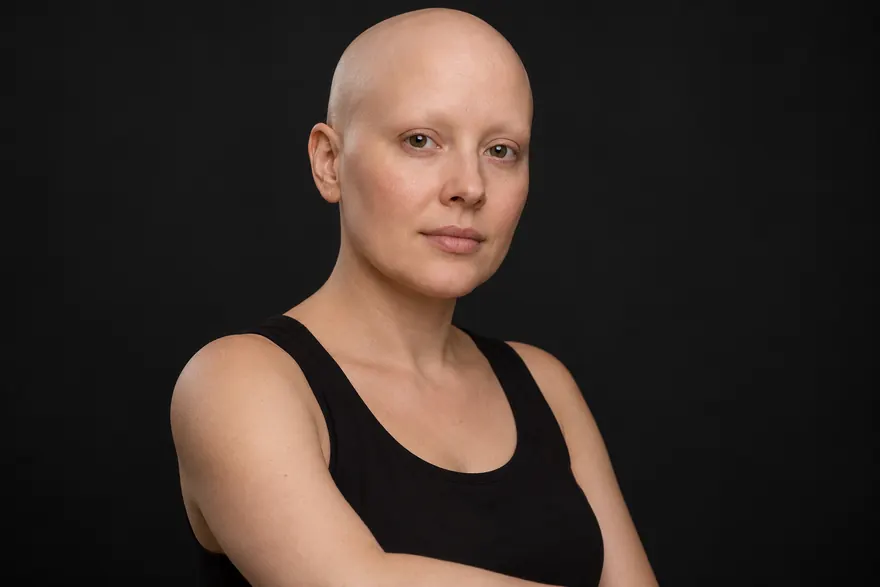
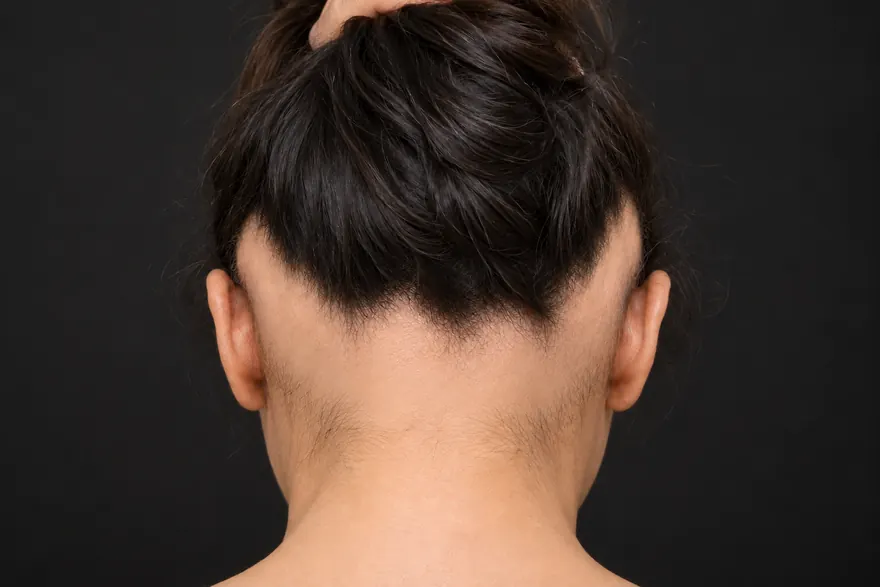
These illustrations show example patterns. They do not establish that an individual is ready for SMP. Other causes of hair loss, including scarring conditions, need their own assessment.
What can SMP look like with alopecia?
A closely shaved appearance
Picture the appearance of a very short buzz cut across the scalp. SMP uses small pigment impressions to create that visual effect. The hairline, shade and coverage need to work together. If some hair remains, we discuss the length you’ll keep it so the whole appearance makes sense.
Camouflage within existing hair
If you want to keep the hair you have, the discussion changes. Where enough suitable hair remains, SMP can reduce the contrast between skin and hair. Your hair still supplies the length and movement. We look at the areas you want to camouflage, your hairstyle and whether the loss is changing.
You’re considering an appearance you’ll wear every day. Spend time with actual SCALPS results and ask how your own starting point differs. SMP produces pigment in the skin. It does not create hair shafts, regrow follicles or treat the underlying cause of alopecia.
Find the option that fits your life.
You may want hair you can style, a closely shaved appearance, or help understanding regrowth. Start with the change you want. These options serve different needs.
- Medical treatment
-
A dermatologist identifies the cause of hair loss and discusses treatment that may support regrowth. The plan depends on your diagnosis and health. Ask about expected results, ongoing care and how any treatment affects the timing of SMP.
- Wigs and hairpieces
-
These add visible hair and give you choices in length and style. Consider fit, attachment, comfort, cleaning and replacement. A wig specialist can explain which piece suits the coverage you need and the routine you want.
- Scalp micropigmentation
-
SMP creates a pigmented scalp appearance. It can resemble a short buzz cut or reduce visible scalp contrast where suitable hair remains. The pigment stays in the skin, so discuss your preferred hair length, coverage and future plans before choosing the design.
Your medical care and appearance choices can be discussed together. Tell your dermatologist and SMP artist what you currently use and what you hope to change.
More than
the top of your head.
A hairline is only one part of the look you’ll wear. With extensive scalp hair loss, the design may continue around the ears, through the sideburn area and down toward the neck. Those areas deserve the same attention as the front.
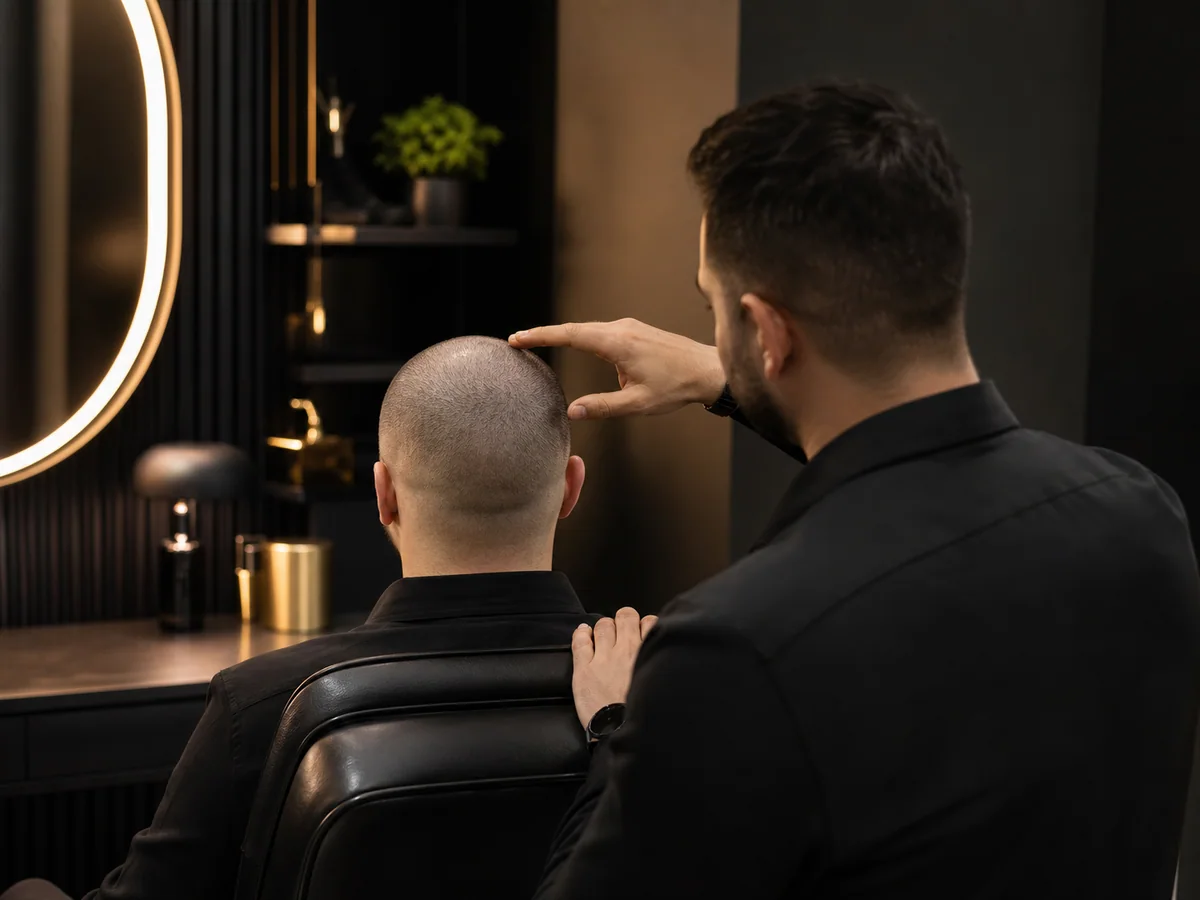
At consultation, we discuss where the pigment should finish and how the shade should connect. You should understand how the design looks from each angle before treatment begins.
Select Scalp, Sides or Nape to explore the coverage.
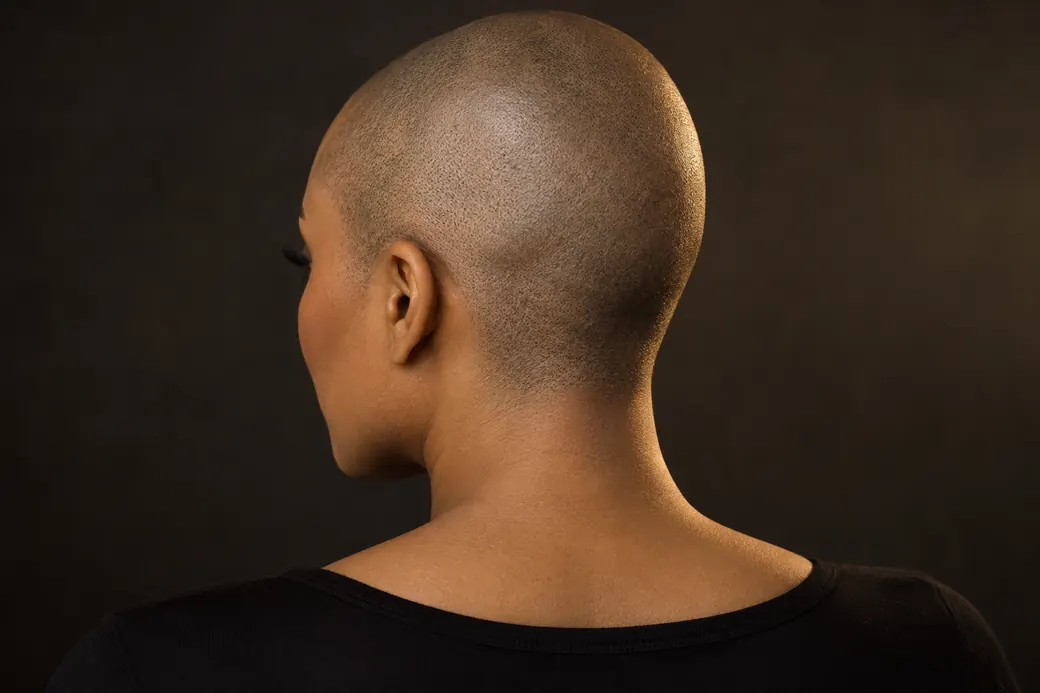
Hairline and scalp
The hairline, top and crown are considered together for a consistent closely shaved appearance.
Sides and sideburns
Coverage may continue toward the temples, around the ears and into the sideburn area where hair is missing.
Nape and neckline
The lower scalp near the neck can need coverage too. Your plan considers how the appearance finishes at the nape.
Coverage around the scalp, illustrated.
When should you speak with a dermatologist first?
Before choosing the appearance, get unexplained or changing hair loss assessed. Talk to your dermatologist about active inflammation, soreness, broken skin, scarring or any scalp treatment you’re using. Bring that guidance to your SMP consultation.
Your dermatologist can discuss medical treatment. We’ll work through the appearance, practical upkeep and whether cosmetic tattooing is appropriate for your scalp.
With alopecia areata, hair can regrow and further loss can happen. Ask how either could affect your design and upkeep. A photograph or condition name alone cannot tell us whether your scalp is suitable for SMP.
Picture your everyday routine after SMP.
After each session, even an ordinary shower or gym visit needs a little planning. Know the care routine before you choose your appointment dates.
During and after a session
Needle work can cause discomfort and temporary redness. Tell us about scalp sensitivity and discuss comfort before we begin. Ask to see photographs from different treatment stages so you understand what to expect as the pigment settles.
Once the scalp has settled
Keep any remaining hair at the length agreed for your design. Use gentle scalp care and sun protection. Discuss touch-ups at consultation; their timing depends on your appearance and treatment plan.
First five days
Keep the treated area dry. Avoid washing, buzzing, shaving, heavy sweating and direct sun. Use clean pillowcases and a loose, clean hat if needed. Leave the scalp alone without rubbing, picking or scratching.
After day five
Our guide allows washing with natural shampoo, gentle moisturizing, light exercise and buzzing or cutting without a razor. Follow the instructions given for your own treatment.
Through day thirty
Continue to avoid swimming, saunas, self-tanners and prolonged sun exposure. These restrictions continue after the first five days.
Your individual instructions come first. Keep our SMP aftercare guide handy, and ask SCALPS before changing your routine.
Seek medical advice for fever, discharge, severe pain or worsening redness or swelling after treatment.
Plan for the hair you have—and changes ahead.
Your hair loss may look different a year from now. With alopecia areata, regrowth and further loss are both possible. Bring that uncertainty into the design conversation from the start.
If hair grows back
The pigment remains in the skin as hair returns. New growth and the length you wear it can change how much pigment is visible. Review the appearance with your artist before deciding whether to change your haircut or treatment plan.
If more hair is lost
Further loss can reveal scalp beyond the areas already treated. Have new or changing loss assessed by your dermatologist, then discuss whether wider coverage is appropriate. Additional areas may need their own sessions and quote.
Tell us which choices you want to keep open. Your plan should consider your hairstyle, medical care and the upkeep you are comfortable with. SMP does not prevent regrowth or further hair loss.
How much does SMP for alopecia cost?
Before you commit, you should understand the complete plan and its price. SCALPS quotes the alopecia plans described here at consultation.
Plans for alopecia areata, including totalis, universalis and ophiasis, are priced separately from our standard shaved and density SMP treatments. Coverage can include the sides, sideburn area and nape. That wider coverage may require additional sessions.
We work through the treatment area, expected visits and your quote together. Ask what the quote includes and how later maintenance is handled. Our SMP pricing guide explains the standard approaches and factors that affect cost.
Bring these questions to your consultation.
Bring the question you keep coming back to, even if it feels small. Your haircut, the neckline, possible regrowth or the price can all affect whether the plan fits your life.
- Does my current scalp condition support cosmetic tattooing?
- Which appearance fits the hair I have and the way I want to wear it?
- Will my plan include the sides, sideburns or nape?
- How would regrowth or further loss affect the design?
- What sessions, aftercare and maintenance should I plan for?
SMP is a tattoo procedure and has risks, including infection, an allergic reaction or an unwanted appearance. Ask about hygiene, pigment, practitioner experience and care instructions before deciding.
More questions about SMP and alopecia
Can men and women have SMP for alopecia?
Both can consider a cosmetic scalp appearance. Suitability comes from the diagnosis, scalp condition, remaining hair and intended design. See SMP for men or SMP for women with alopecia for the treatment discussion.
Does SMP work differently for totalis and universalis?
Both involve loss of scalp hair, so the scalp coverage discussion can be extensive. Universalis also affects body hair. Our scalp treatment plan focuses on the head.
What if my hair grows back?
The pigment remains in the skin as hair returns. Regrowth can change how much pigment is visible and how it works with your haircut. See planning for regrowth and further loss, and discuss your own scalp with your dermatologist and SMP artist.
How many sessions will I need?
Your coverage and how the pigment settles guide the plan. Alopecia may involve more areas and visits than our standard shaved or density approach. We confirm an individual session plan at consultation.
Explore your treatment direction.
Start with the look you want to wear. We’ll help you work through the coverage, practical care and price before you decide.