
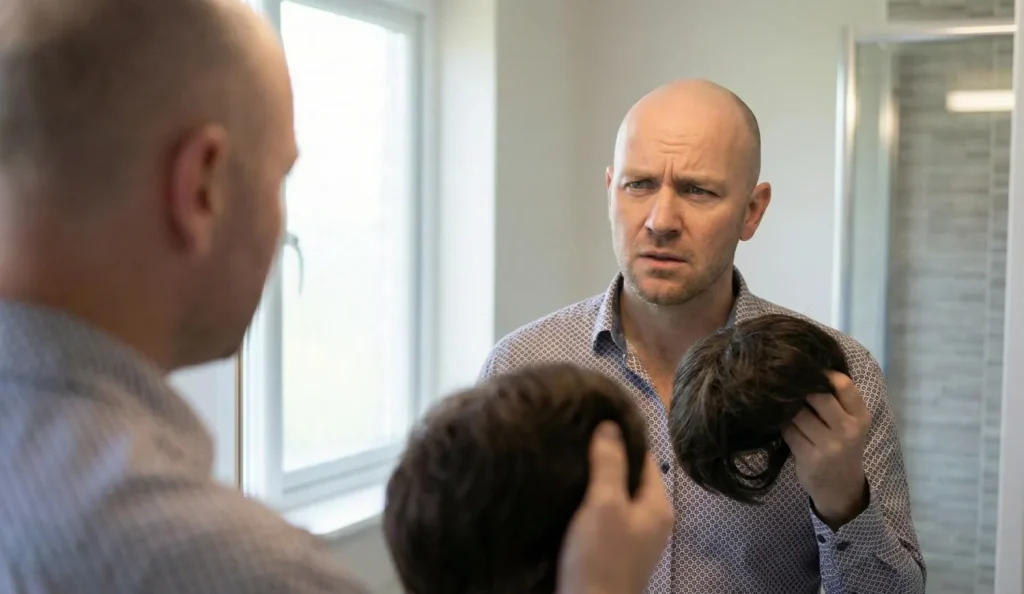
Switching From Hairpieces and Toupees to Scalp Micropigmentation (SMP): The Honest Transition Guide
Hairpieces can look great—until the upkeep, scalp irritation, and constant worry start running your schedule. If you’re considering scalp micropigmentation (SMP) as an alternative to hair pieces, here’s the truth: the switch can be life-changing, but it’s not always instant. Many long-term hair system wearers need a dedicated healing phase before a hair tattoo can be done properly.
Hairpieces and Toupees: Pros and Cons (The Balanced Truth)
Let’s be fair: hairpieces and toupees exist because they can solve a real problem for certain men—especially short-term. But long-term wear often comes with hidden costs: scalp health, time, money, and mental bandwidth.
Pros of hairpieces and toupees
- Instant coverage (immediate visual change).
- No surgery and no transplant recovery.
- Longer hairstyles are possible (not just a shaved look).
- Adjustable—you can change styles, density, and color.
Cons of wearing hairpieces long-term
- High maintenance: cleaning, rebonding, appointments, DIY upkeep.
- Water and sweat anxiety: swimming, gym, humidity, rain.
- Scalp irritation from adhesives: redness, inflammation, itching.
- Open sores & discoloration can develop from tape/glue over time.
- Ongoing cost: replacement units, supplies, frequent maintenance visits.
- Emotional fatigue: fear of lifting edges, being “found out,” constant checking.
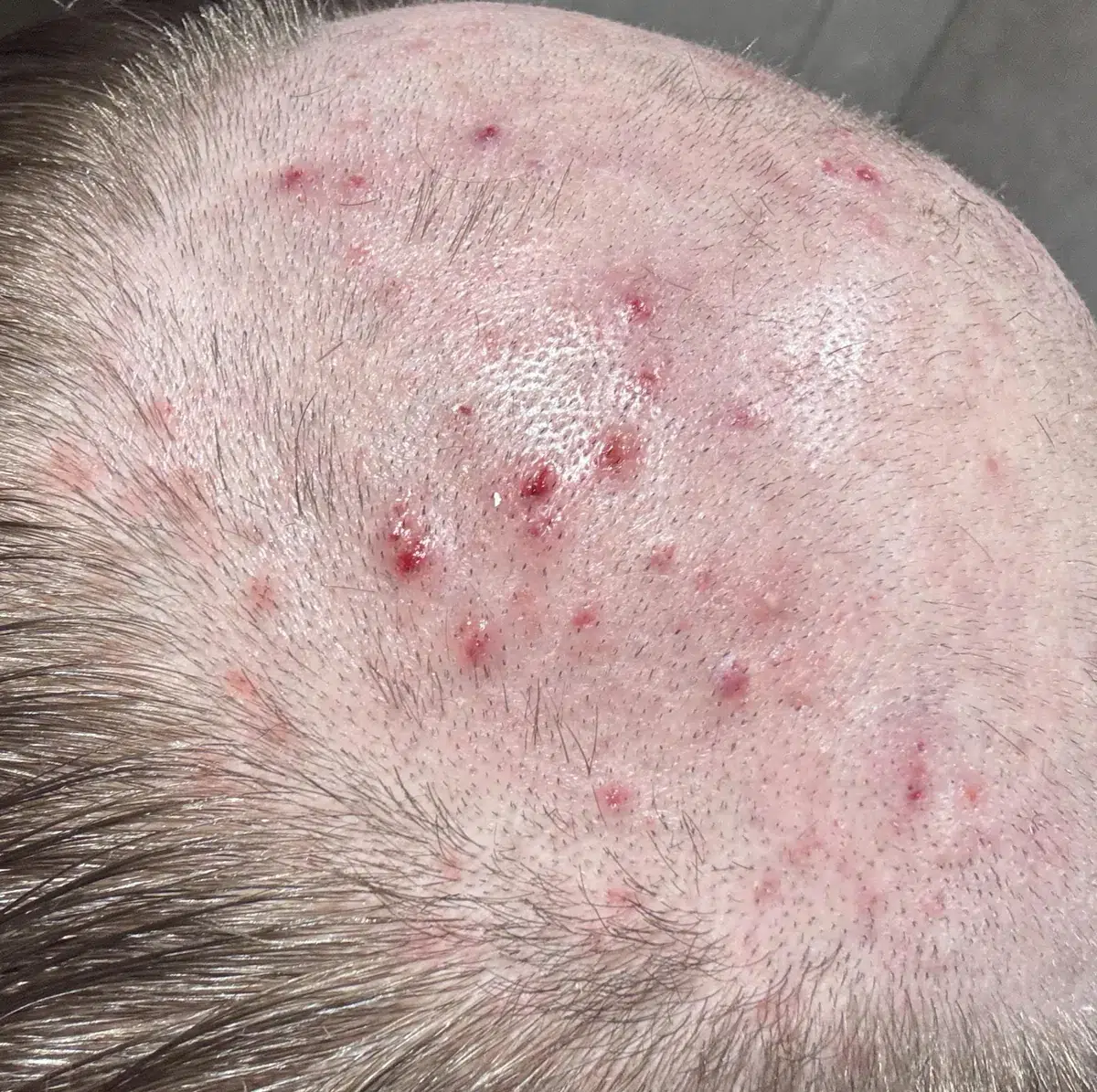
Example of scalp irritation after SMP — key part of the healing process before transitioning from hairpieces.
Why Men Choose SMP Scalp Micropigmentation as an Alternative to Hair Pieces
Scalp micropigmentation (SMP)—often called a hair tattoo—creates the appearance of hair follicles using specialized pigment placed in the scalp. It doesn’t add hair. It creates a realistic shaved-head look or a density effect for thinning hair.
What makes SMP different from a toupee or hairpiece?
- No glue, no tape, no rebonding.
- No daily prep to look presentable.
- Waterproof lifestyle: sweat, shower, swim—no problem.
- Consistency: it doesn’t shift, lift, or surprise you in bad lighting.
- Confidence: there’s no “secret” to protect.
For many men, the biggest advantage isn’t cosmetic—it’s psychological. When your look is stable, your mind stops doing background checks all day.
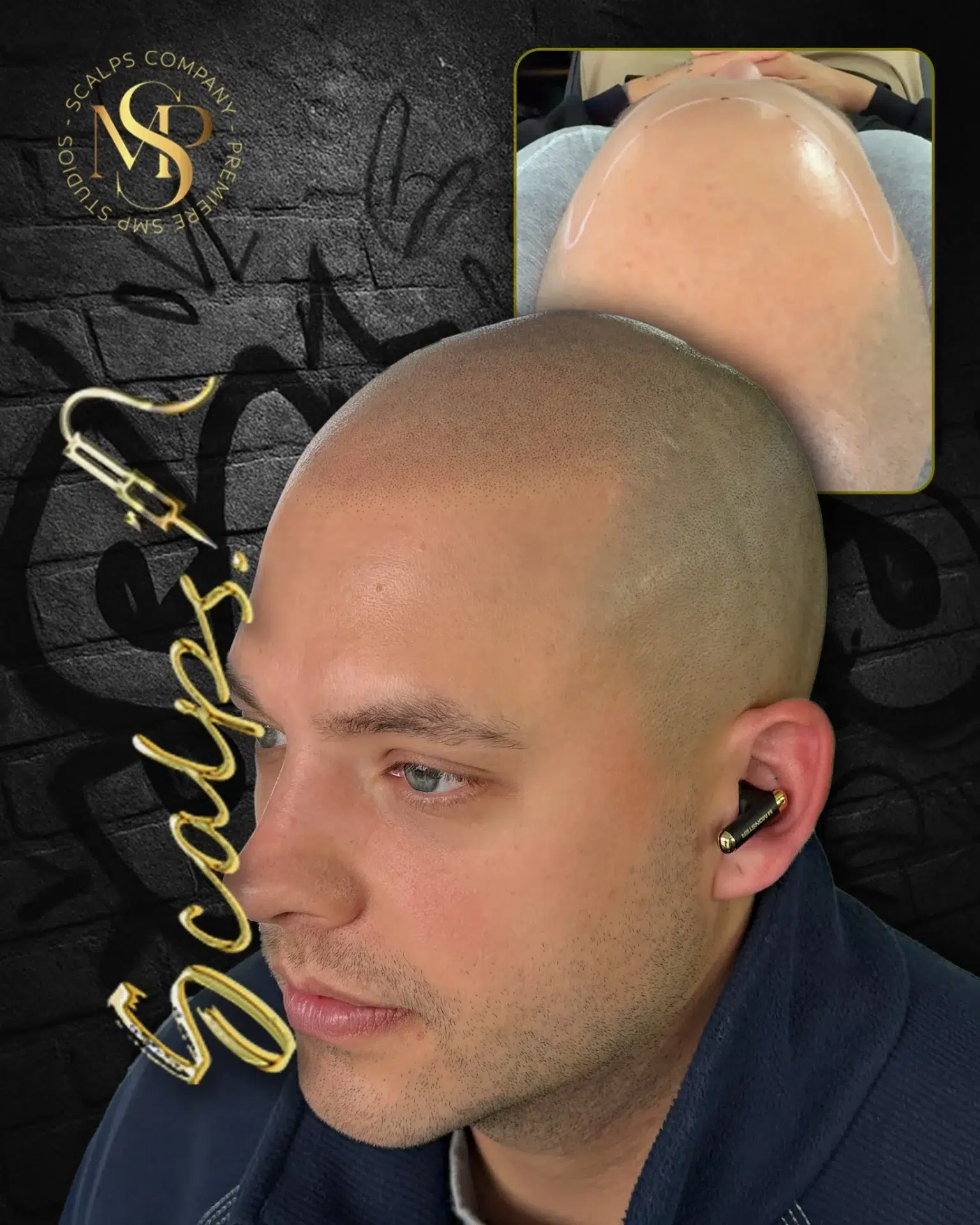
Switching From Hairpieces to SMP: The Real Process (What Most People Don’t Tell You)
For many men, switching from hairpieces and toupees to SMP scalp micropigmentation is a journey—because the scalp may need time to recover after long-term adhesive use.
Why the scalp may need to heal first
If your scalp is irritated, inflamed, or has open sores, pigment may not heal evenly. A skilled practitioner will prioritize scalp health first so your hair tattoo can heal clean and look natural.
Common scalp issues from hair systems (tape + glue)
- Open sores or raw areas (especially along the hairline/perimeter)
- Redness and inflammation
- Uneven texture or sensitivity
- Discoloration / hyperpigmentation
- Breakouts or folliculitis
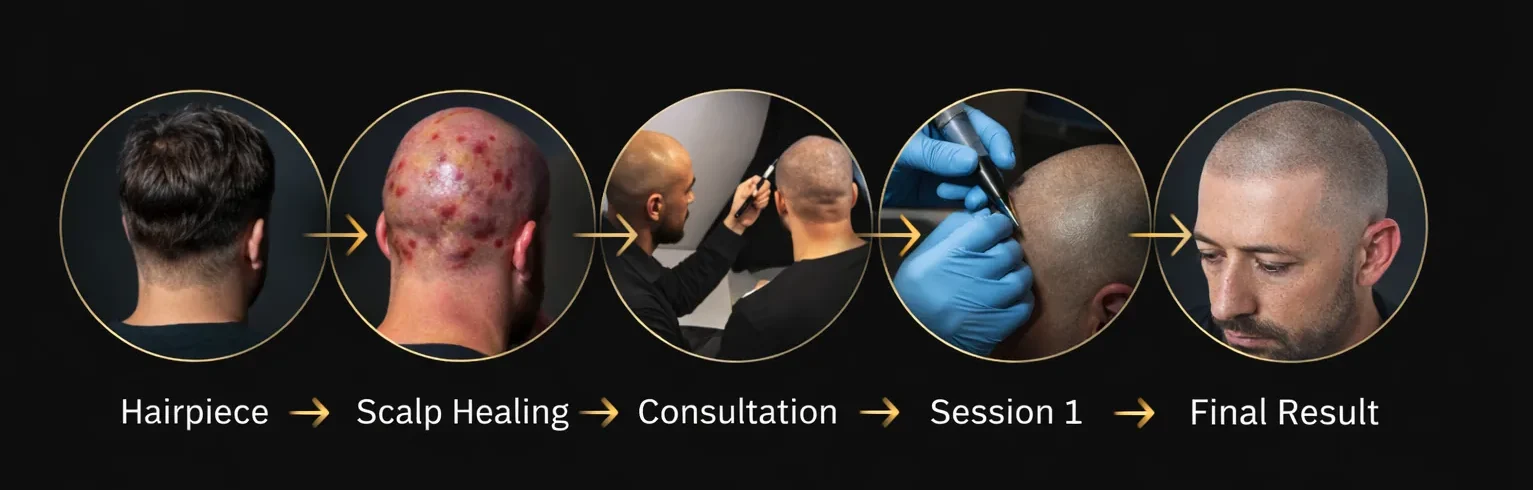
Healing Timeline: 1 Month to 6 Months (Real Client Reality)
Healing time varies by person, but in real-world cases, it can take anywhere from 1 month to 6 months for the scalp to fully calm down—especially if there are open sores or noticeable discoloration.
What affects how long healing takes?
- Duration of wear: wearing hairpieces for years usually means longer recovery.
- Adhesive type: stronger bonds can cause more irritation.
- Sensitivity: some skin reacts aggressively to tape and glue.
- Environment: sweating, friction, and frequent removals can slow healing.
What the healing phase usually looks like
- Stopping adhesive use (or significantly reducing it)
- Keeping the scalp clean and calm
- Avoiding picking/scratching (harder than it sounds)
- Monitoring discoloration and texture changes
- In some cases, working with a dermatologist
Important: This is general information—not medical advice. If you have open sores, persistent irritation, or suspected infection, a dermatologist is the right next step.
When to See a Dermatologist Before SMP (And Why It Can Speed Up Results)
Many clients need a dermatologist to help accelerate the healing process—especially when the scalp has been compromised by long-term hair system adhesives.
Why a dermatologist can help
A dermatologist can identify whether you’re dealing with inflammation, dermatitis, allergic reactions, or another condition that needs targeted treatment. In many cases, clients are prescribed a topical medication (often a steroid-based cream or anti-inflammatory treatment) to help the scalp recover faster.
Signs you shouldn’t ignore
- Open sores that don’t close
- Persistent redness or burning sensation
- Discoloration that keeps spreading
- Oozing, crusting, or signs of infection
- Itching that becomes constant or severe
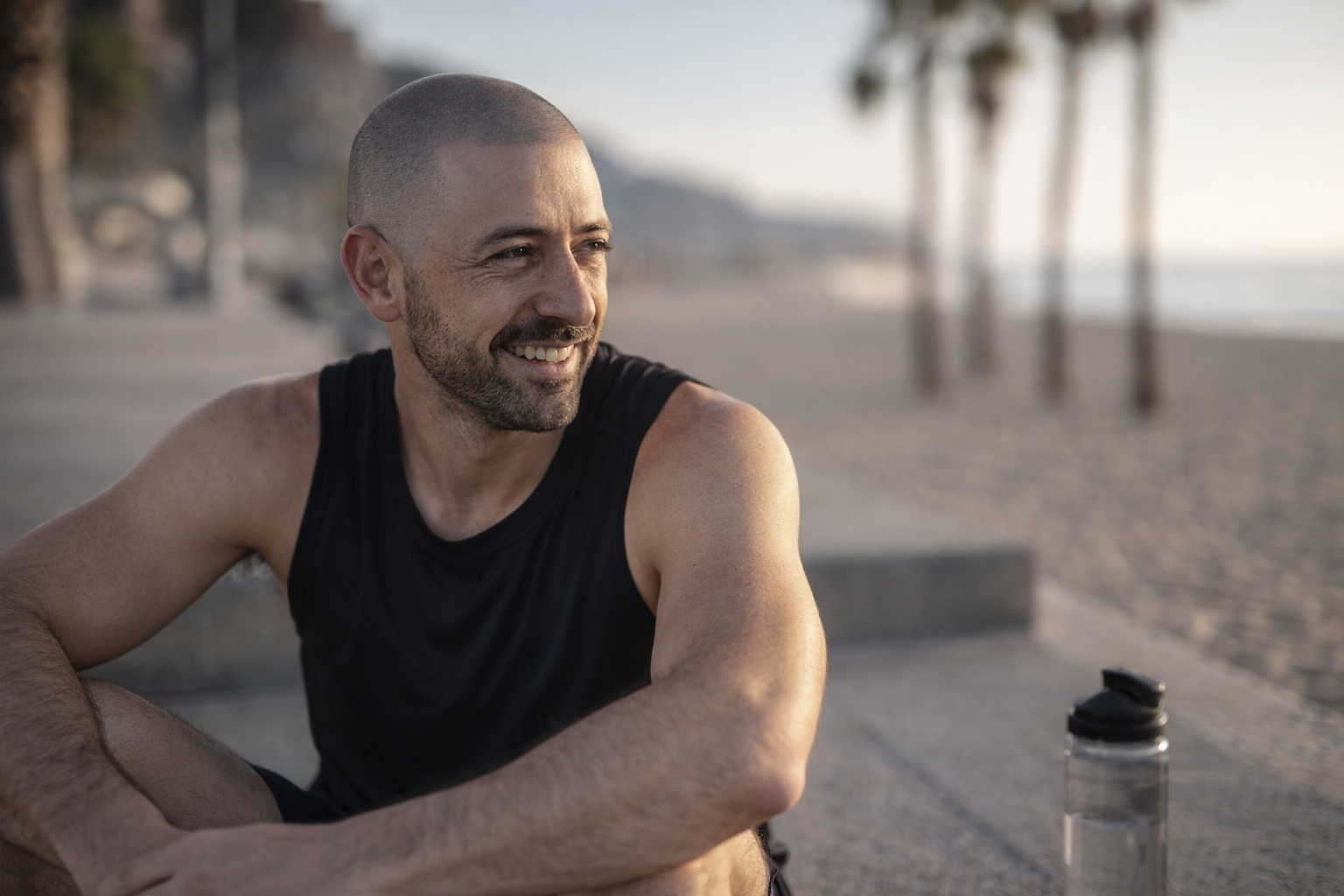
Life After SMP: Why Former Hairpiece Wearers Call It a Life-Changer
Once the healing phase is complete and SMP sessions are done, most former hair system wearers describe one thing first: relief.
What changes the most
- No morning prep ritual to look “normal.”
- No anxiety around sweat, water, wind, or touch.
- No harsh-light surprises from edges, lift, or density shifts.
- No dependence on adhesives, appointments, or emergency fixes.
In plain language: you get your time back—and your mind back.
Hair Tattoo vs Hairpiece: Long-Term Comparison
| Category | Hairpieces / Toupees | SMP Scalp Micropigmentation (Hair Tattoo) |
|---|---|---|
| Maintenance | High: rebonding, cleaning, adhesives | Low: normal scalp care; periodic touch-up if needed |
| Daily prep | Often required | None |
| Water / sweat | Common source of anxiety | Workout, shower, swim—no issue |
| Scalp health | Adhesives can cause irritation/sores | Non-surgical; requires healthy skin to start |
| Longevity | Temporary (ongoing replacements) | Long-lasting, built over multiple sessions |
| Confidence | Can be fragile (fear of lifting/visibility) | Stable, consistent appearance |
What to Expect If You’re Switching From a Hair System to SMP
A practical, realistic roadmap
- Stop or reduce adhesive use (as advised) so the scalp can calm down.
- Get a scalp assessment to check for irritation, discoloration, or open sores.
- Dermatology support if healing is slow or symptoms persist.
- Start SMP only when the scalp is healthy for better pigment retention and clean healing.
- Complete sessions (most results are built gradually for realism).
FAQ: Hairpieces, Toupees, and SMP Scalp Micropigmentation
How long does it take to heal after wearing a hairpiece before SMP?
It depends on scalp condition. In real client scenarios, healing can range from 1 month to 6 months. If there are open sores or significant discoloration from tape/glue, the process may take longer and may require dermatologist care.
Can I get a hair tattoo (SMP) if I have open sores from glue or tape?
Most reputable SMP artists won’t proceed while the scalp has open sores or active inflammation. Healthy skin is key for clean healing and consistent pigment retention. If sores persist, a dermatologist can help identify the cause and recommend treatment.
Is SMP a good alternative to hair pieces and toupees?
If you want a low-maintenance, consistent solution without adhesives, many men consider SMP an excellent alternative to hair pieces. SMP creates a realistic shaved look or density effect using follicle-style impressions.
Will SMP look natural after switching from a hair system?
Yes—when the scalp is healthy and the work is done by an experienced practitioner. A natural result comes from proper density, pigment tone, and a hairline that matches your age and facial structure.
Final Thoughts: The Switch Is a Process—But the Freedom Is the Point
Hairpieces and toupees can be a helpful step for some men, but long-term wear often brings hidden costs: scalp irritation, daily prep, and the anxiety of something going wrong. Switching to SMP scalp micropigmentation (a hair tattoo) can be a life-changing move—especially once your scalp heals and you’re no longer tied to adhesives and maintenance cycles.
If you’re considering the transition, the smartest approach is simple: get your scalp healthy first, then build your SMP result the right way.
Elementor note: add your consultation button here.